If you are a homeowner looking to refresh your home’s exterior, one of the first numbers you want to know is the cost to install vinyl siding on a 2000 sq ft house. Siding is a big investment, and getting an accurate estimate can feel overwhelming with so many options and labor variables. This guide breaks down every cost factor, compares the most popular vinyl siding types, and helps you make a confident decision without hidden surprises. Let’s start with what drives the price.
What Determines the Cost to Install Vinyl Siding on a 2000 Sq Ft House?
The total price depends on several key factors. Material grade is the biggest—basic builder-grade vinyl costs much less than premium insulated or shake styles. Labor rates vary by region, with average contractor fees between $3 and $8 per square foot. Your home’s shape also matters: a simple two-story rectangle costs less to side than a house with many gables, dormers, and cutouts. Removing old siding adds $1–$3 per square foot. Finally, regional supply and demand affect prices, especially in markets with high construction activity.
Material Quality and Thickness
Vinyl siding is measured in thickness (mils). Standard is .040-inch, while premium options are .046-inch or thicker. Thicker panels resist dents and warping better and usually have deeper wood-grain textures. Thicker vinyl costs more upfront but lasts longer and looks better over time.
Labor Complexity
Installers charge more for homes with complex rooflines, multiple stories, or hard-to-reach areas. A 2,000 sq ft house with a simple ranch layout and no second story will have lower labor costs than a three-story colonial with many peaks.
Removal of Old Siding
If your house already has wood, aluminum, or old vinyl siding, you’ll need to pay for removal and disposal. This typically adds $1,000 to $3,000 to the total project. In some cases, you can install new vinyl over existing siding if the surface is flat and sound, but this can trap moisture and is not always recommended.
Vinyl Siding Options and Their Costs for a 2000 Sq Ft House
Below is a comparison of the most common vinyl siding types. All prices are national averages in USD for 2026 and include both materials and professional installation unless noted.
| Siding Type | Material Cost (per sq ft) | Installed Cost (per sq ft) | Total Cost for 2000 sq ft | Lifespan (years) | Best For |
|---|---|---|---|---|---|
| Traditional Lap (0.040″) | $1.50–$2.50 | $5.00–$7.50 | $10,000–$15,000 | 25–35 | Budget-conscious homeowners |
| Insulated Vinyl Siding | $2.50–$3.50 | $7.00–$10.00 | $14,000–$20,000 | 30–40 | Energy savings and durability |
| Dutch Lap (0.044″+) | $2.00–$3.00 | $6.00–$9.00 | $12,000–$18,000 | 30–40 | Classic look with better impact resistance |
| Vertical Vinyl Siding | $2.00–$3.00 | $6.50–$9.50 | $13,000–$19,000 | 25–35 | Modern or board-and-batten style |
| Vinyl Shake/Scallop | $3.00–$4.50 | $8.00–$12.00 | $16,000–$24,000 | 25–30 | Premium curb appeal |
Best Vinyl Siding Options for a 2000 Sq Ft House – Detailed Review
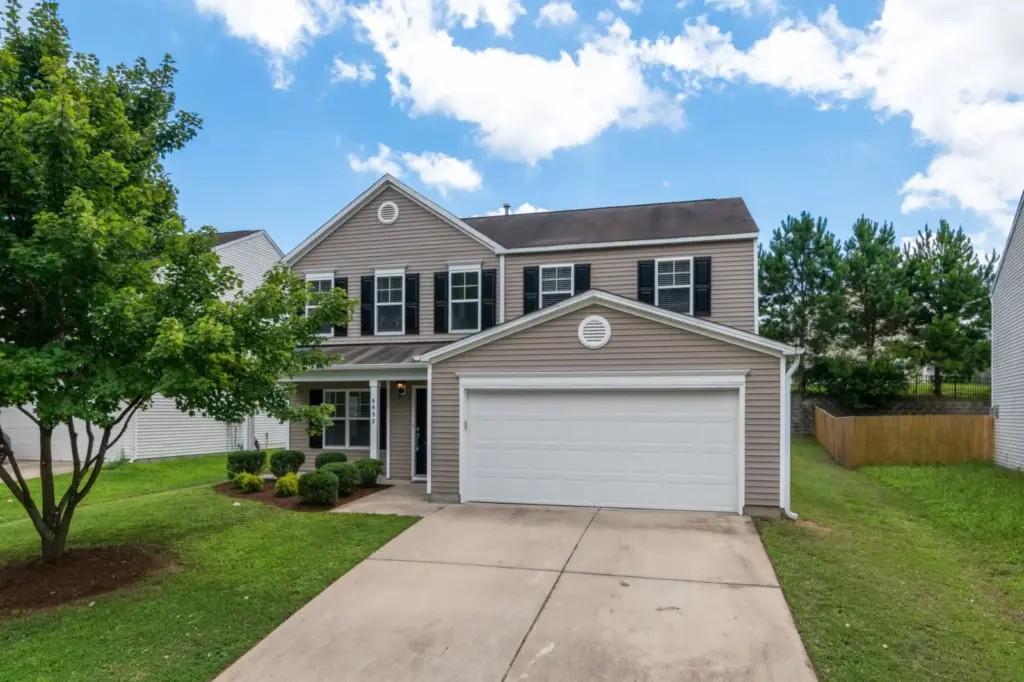
Here are the top choices ranked by value and performance. Each listing includes everything you need to know.
-
Traditional Lap Vinyl Siding (Builder Grade)
Overview
This is the most common type of vinyl siding. It has a simple horizontal profile with a smooth or light wood-grain finish. It is lightweight and easy to install, which keeps labor costs low.
Features
- Thickness: 0.040″ (standard)
- Common colors: white, cream, light gray, beige
- Limited texture options
- Often sold with a 25-year limited warranty
Pricing
Material costs $1.50–$2.50 per square foot. Total installed cost for a 2,000 sq ft house ranges from $10,000 to $15,000. This is the most budget-friendly option.
Advantages
- Lowest upfront cost
- Easy to replace individual panels
- Widely available at home improvement stores
Disadvantages
- Thin panels can dent from hail or lawn equipment
- Limited color and texture selection
- Less insulating value (no foam backing)
Best For
Homeowners who want a functional, economical siding solution and plan to sell within 10–15 years. Not ideal for extreme climates.
User Experience
Most buyers report that builder-grade siding looks fine from the street but feels flimsy when touched. Color fading is common after 10 years, especially in sunny areas.
Expert Opinion
This is a solid choice for rental properties or short-term ownership. However, if you plan to stay in your home long-term, investing slightly more in thicker vinyl can save you from early replacement costs. Read also: Cost to Upgrade Electrical Panel to 200 Amps: Full Guide 2026 if you’re also updating your home’s electrical system during renovations.
-
Insulated Vinyl Siding
Overview
This type has a foam backing bonded to the vinyl. The foam adds R-value (thermal resistance), reduces noise, and makes the panels stiffer and less prone to dents.
Features
- Thickness: 0.042″–0.046″ plus foam
- R-value: 2.0–3.5 (varies by brand)
- Improved impact resistance
- Available in many colors and textures
Pricing
Materials run $2.50–$3.50 per sq ft. Installed total for 2,000 sq ft: $14,000–$20,000.
Advantages
- Lower energy bills (typically 5–10% reduction)
- Quieter interior
- Much more durable than standard vinyl
Disadvantages
- Higher upfront cost
- Heavier panels require careful handling
- Not always available at local lumberyards
Best For
Homeowners in cold or hot climates who want long-term energy savings. Also great for homes with frequent strong winds or hail.
User Experience
Buyers consistently note that insulated siding makes their home feel more solid. Energy savings are noticeable in winter, though the payback period is usually 8–12 years.
Expert Opinion
Insulated vinyl is the best value for most homeowners. The extra cost is easily justified by durability and comfort. If you are planning to reroute electrical wiring for outlets on the exterior wall, check the Electrician Cost to Add a 20 Amp Circuit: 2026 Pricing Guide for budgeting.
-
Dutch Lap Vinyl Siding
Overview
Dutch lap has a distinctive curved shadow line at the bottom of each panel. It mimics the look of wood clapboard but with the low maintenance of vinyl. It is often sold in thicker material.
Features
- Thickness: 0.044″–0.048″
- Deep shadow lines for a traditional look
- Better wood-grain embossing
- Fade-resistant color technology
Pricing
$2.00–$3.00 per sq ft for materials; installed $12,000–$18,000 for 2,000 sq ft.
Advantages
- Attractive curb appeal without wood maintenance
- Good dent resistance
- Wide color range
Disadvantages
- Higher material and labor cost than plain lap
- Installation requires more precise panel alignment
Best For
Homeowners who want a classic, upscale appearance but don’t want the expense of real wood or fiber cement.
User Experience
Many users say Dutch lap siding gets compliments from neighbors. It hides minor imperfections well. Some report that very dark colors can warp in extreme heat unless the siding is certified for high temperatures.
Expert Opinion
Dutch lap is a solid middle ground between budget and premium. It holds value well and is one of the most popular choices among contractors. If you need to update your electrical service for a new workshop or addition, see the How Much to Upgrade Electrical Service from 60 to 100 Amps? (2026 Cost Guide) for parallel project planning.
-
Vinyl Shake / Scallop Siding
Overview
This type mimics cedar shingles or fish-scale shapes. It is used as an accent on gables or to cover the entire house for a distinctive, high-end look. Panels are typically smaller and require more cutting.
Features
- Thickness: 0.042″–0.050″
- Shapes: half-round, staggered, or square edge
- Often used in combination with lap siding
- Available in many color blends
Pricing
Materials $3.00–$4.50 per sq ft; installed $16,000–$24,000 for full coverage on 2,000 sq ft.
Advantages
- Unique, high-end aesthetic
- Good for custom accent areas
- Resists rot and insects (unlike real wood)
Disadvantages
- Highest cost per square foot
- Installation takes longer, increasing labor charges
- Harder to match if you need repairs later
Best For
Homeowners aiming for a craftsman, cottage, or historic look. Also suitable for houses with curved or intricate rooflines where standard lap siding would look plain.
User Experience
Owners love the visual impact but note that cleaning dust and dirt from the shaped panels can be tedious. Some colors may show fading after 12–15 years, especially in direct sun.
Expert Opinion
Vinyl shake is a premium choice. Use it sparingly (e.g., only on gables) to manage costs. For a full house, consider if the extra expense aligns with your neighborhood home values. Over-improving can hurt resale in some markets.
Cost Breakdown: Materials, Labor, and Additional Fees
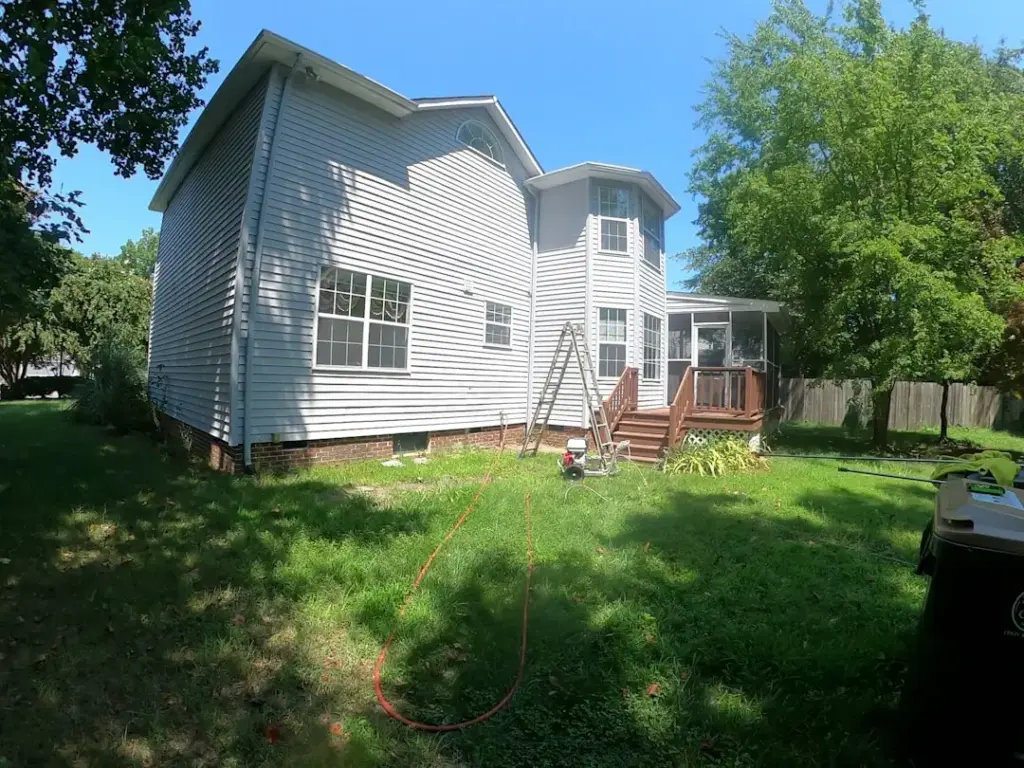
For a 2000 sq ft house, vinyl siding material accounts for about 30–40% of the total cost. The rest is labor, trim, fasteners, and removal/disposal. Typical breakdown:
- Vinyl panels: $3,000–$7,000
- Trim, soffit, fascia: $1,000–$2,500
- Labor: $4,000–$10,000
- Old siding removal: $1,500–$3,500
- Permits and inspection: $150–$500
- Total range: $10,000–$24,000
Hidden Costs You Should Plan For
Many homeowners overlook these expenses. If your house has rotted sheathing behind old siding, repair can cost $1,000–$4,000 extra. Adding housewrap or a vapor barrier is another $500–$1,200. You might also need to relocate downspouts, electrical outlets, or light fixtures. Read also: Electrician Cost to Rewire a 3 Bedroom House: Full 2026 Guide if your exterior electrical work requires full rewiring. Finally, scaffolding or lifts for second-story work can add $500–$1,500 if your contractor charges separately.
How to Save Money on Vinyl Siding Installation
- Get at least three quotes from licensed contractors. Compare line items carefully.
- Install in the off-season (late fall or early spring) when demand is lower; you may get a 5–10% discount.
- Choose standard colors – custom colors cost more and take longer to order.
- Do your own removal only if you are experienced and have proper disposal methods. Mistakes can damage the sheathing.
- Bundle with other renovations – if you’re also replacing windows or roofing, ask for a package discount.
Choosing the Right Contractor
Look for a contractor who is licensed, insured (general liability and workers’ comp), and has at least five years of experience with vinyl siding. Ask for references and view recent jobs. Avoid contractors who demand full payment upfront – typical payment schedule is 30% deposit, 30% midway, 30% at completion, and 10% after final inspection. Also confirm the warranty on both materials and workmanship (minimum 10 years).
Frequently Asked Questions
1. What is the average cost to install vinyl siding on a 2000 sq ft house in 2026?
The national average ranges from $10,000 to $20,000 installed. Basic lap vinyl starts around $10,000, while premium insulated or shake siding can go up to $24,000. Prices vary by region, house complexity, and material choice.
2. Can I install vinyl siding myself to save money?
DIY installation is possible if you have construction experience, but it is not recommended for most homeowners. Mistakes can lead to gaps, buckling, or moisture damage. Professional installation also includes warranties that cover defects. If you decide to DIY, budget around $3,000–$7,000 for materials alone.
3. How long does vinyl siding last on a 2000 sq ft house?
Vinyl siding typically lasts 25–40 years. Thicker panels and insulated types last longer. Proper installation and regular cleaning (once a year) extend its lifespan. Yes, vinyl is durable, but it can crack in extreme cold or warp in extreme heat if not installed correctly.
4. Does vinyl siding increase home value?
Yes, new siding generally improves curb appeal and can increase property value. However, the return on investment (ROI) is about 70–80% of the project cost. A neutral color and classic style (like Dutch lap) usually offer the best resale return.
5. What is the cheapest way to side a 2000 sq ft house?
The cheapest option is builder-grade traditional lap vinyl siding installed by a contractor. Total cost can be as low as $10,000 if you choose a simple house design and standard color. Avoid premium materials or complex trim to keep costs down.
6. Do I need a permit to install vinyl siding?
Most municipalities require a building permit for siding replacement, especially if you are changing the structure or removing existing siding. Permit fees typically range from $150 to $500. Always check local rules – failing to get a permit can lead to fines and issues when selling.
7. How much does it cost to remove old siding before installing new vinyl?
Removal costs vary by material. For wood or old aluminum, expect $1,000–$2,500. For asbestos siding (which requires special disposal), removal can cost $3,000–$6,000. Always have a contractor inspect for hazardous materials before starting.
Final Recommendations
- Best Overall: Insulated vinyl siding – it offers the best balance of durability, energy efficiency, and long-term value for a 2,000 sq ft house.
- Best Value: Dutch lap vinyl siding (0.044″) – gives you a classic, high-end appearance without the premium price of shake or insulated options.
- Best Budget Choice: Traditional lap vinyl siding (0.040″) – affordable and functional, ideal for tight budgets or rental properties.
- Best Premium Option: Vinyl shake siding – delivers top-tier curb appeal and unique styling for homeowners who want the best visual impact.
- Best for Beginners (DIY): Traditional lap vinyl siding – easier to cut and install than shake or insulated panels. Many online guides and kit options are available.
Before you finalize your siding project, remember that the cost to install vinyl siding on a 2000 sq ft house depends heavily on the choices above. Use this guide to get accurate quotes, compare materials, and plan a renovation that fits your budget and style. Good luck with your home improvement.
—
Metadata (not displayed to readers):
- [TITLE]: Cost to Install Vinyl Siding on a 2000 Sq Ft House (2026 Guide)
- [TITLE_VARIANTS]: Vinyl Siding Cost for 2000 Sq Ft House 2026 || How Much to Side a 2000 Sq Ft House with Vinyl? || 2026 Vinyl Siding Installation Cost 2000 Sq Ft || Cost to Side a 2000 Square Foot House with Vinyl || Vinyl Siding Pricing for 2000 Sq Ft Home || Average Price of Vinyl Siding 2000 Sq Ft House
- [FOCUS_KEYPHRASE]: vinyl siding cost 2000 sq ft
- [SEO_TITLE]: Vinyl Siding Cost 2000 Sq Ft: 2026 Installation Guide
- [SLUG]: vinyl-siding-cost-2000-sq-ft-house
- [META_DESC]: Learn the cost to install vinyl siding on a 2000 sq ft house in 2026. Compare materials, labor, and hidden fees. Get accurate quotes and save money.
- [TAGS]: vinyl siding cost, 2000 sq ft house, siding installation, home exterior, 2026 renovation
- [CATEGORY]: General
- [IMAGE_ALT]: New vinyl siding on a two-story 2000 sq ft house || Vinyl siding installation cost breakdown table || Comparing traditional lap and insulated vinyl siding || Contractor installing vinyl siding panels || Before and after vinyl siding on a 2000 square foot home
- [INTERNAL_LINKS]: Cost to Replace Aluminum Wiring with Copper: 2026 Full Guide || Electrician Cost to Add a 20 Amp Circuit: 2026 Pricing Guide || How Much to Upgrade Electrical Service from 60 to 100 Amps? (2026 Cost Guide) || Electrician Cost to Rewire a 3 Bedroom House: Full 2026 Guide || Cost to Upgrade Electrical Panel to 200 Amps: Full Guide 2026
- [FAQ_SCHEMA]: What is the average cost to install vinyl siding on a 2000 sq ft house in 2026? || Can I install vinyl siding myself to save money? || How long does vinyl siding last on a 2000 sq ft house? || Does vinyl siding increase home value? || What is the cheapest way to side a 2000 sq ft house? || Do I need a permit to install vinyl siding? || How much does it cost to remove old siding before installing new vinyl?
