If you live where winter temperatures regularly dip below freezing, you know the struggle of finding exterior materials that can handle the freeze-thaw cycle, heavy snow, and bitter wind. Many siding products crack, warp, or fade after just a few seasons. That’s why choosing the best vinyl siding brand for cold climates isn’t just about curb appeal—it’s about protecting your home and avoiding costly repairs. This guide breaks down the top brands, their cold-weather features, and what to look for so you can make a confident choice that lasts through the harshest winters.
We’ll compare materials, insulation options, warranties, and real-world performance. Whether you’re building new or replacing old siding, understanding how different products react to extreme cold will save you money and headaches. Let’s dive into the details.
Why Cold Climates Demand Specialized Vinyl Siding
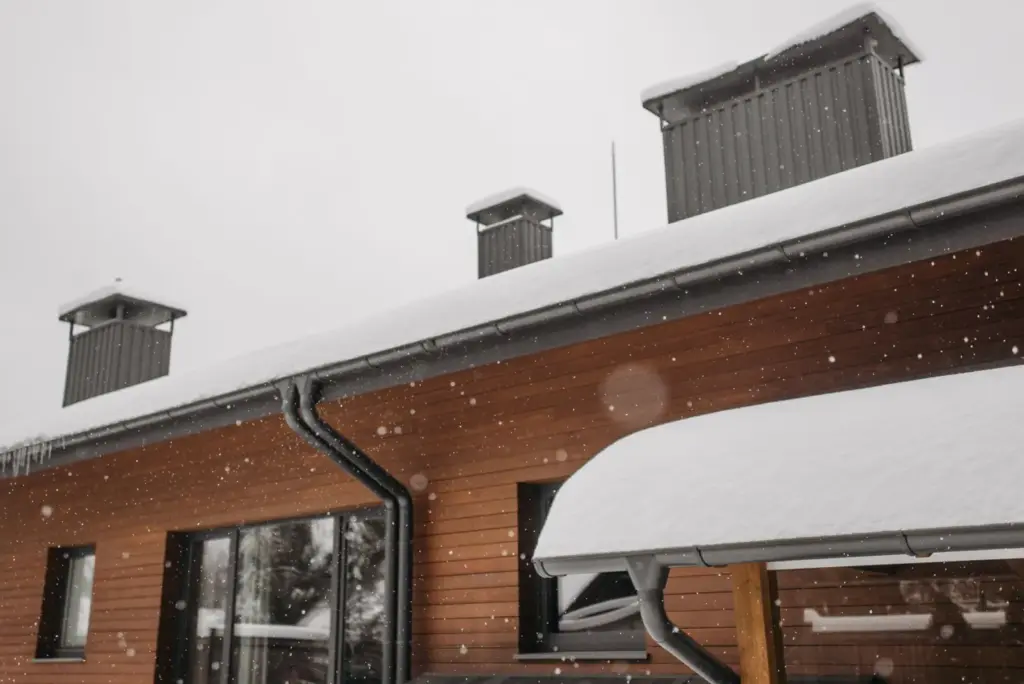
Standard vinyl siding can become brittle in temperatures below 20°F, leading to cracks from impact or natural expansion and contraction. Thicker panels, better impact modifiers, and insulated backing are critical. Cold-climate siding also needs superior UV resistance because snow reflects sunlight, accelerating fading. The best brands engineer their products specifically for these conditions, offering thicker gauges (0.044″–0.052″) and proprietary formulations that stay flexible in the cold.
Additionally, insulated vinyl siding (foam-backed) adds R-value to your walls, reducing heat loss and ice dam formation on roofs. Many homeowners pair siding upgrades with interior electrical work, such as adding circuits for space heaters. Read also: Electrician Cost to Add a 20 Amp Circuit: 2026 Pricing Guide
Quick Comparison: Top Vinyl Siding Brands for Cold Climates
| Brand | Product Line | Thickness (inches) | Insulation Option | Impact Rating | Cold Weather Features | Warranty | Price Range (per sq. ft.) | Best For |
|---|---|---|---|---|---|---|---|---|
| CertainTeed | NorthernStar | 0.044 | Yes (Board & Batten) | Class II | Flex-Form tech for low-temp flex; UV stable | Lifetime (50 yr) | $3.50–$5.00 | Extreme cold, high wind |
| Mastic (Ply Gem) | Structure | 0.048 | Yes (Lap & Shake) | Class I | Double thick lock; reinforced nail hem | Lifetime | $3.00–$4.50 | Impact resistance, budget |
| Alside | Charter Oak | 0.050 | Yes (premium foam) | Class II | ArmorTech coating; anti-warp | Lifetime (transferable) | $4.00–$6.00 | Premium aesthetics & durability |
| Norandex | Designer Series | 0.044 | No (but add-on foam available) | Class III | PolarFlex additive for cold | 50 yr | $2.50–$4.00 | Value & color retention |
| Royal Building Products | Beacon Hill | 0.046 | Yes (integrated foam) | Class II | High-impact copolymer; cold crack resistance | Lifetime | $3.50–$5.50 | Insulation & noise reduction |
| James Hardie (fiber cement) | ColorPlus | N/A (0.375) | No (mineral fiber) | N/A | Freeze-thaw resistant; non-organic | 30 yr (product + 15 yr paint) | $5.00–$8.00 | Fire resistance, hail zones |
Note: Prices are material-only estimates for 2026 and may vary by region and installer. Always get multiple quotes.
Top 7 Vinyl Siding Brands for Cold Climates
1. CertainTeed NorthernStar – Best Overall for Extreme Cold
Overview: CertainTeed’s NorthernStar line was built from the ground up for harsh winters. It uses a proprietary Flex-Form resin system that keeps panels pliable even at -20°F, reducing cracking during installation and after years of thermal cycling. The panels are 0.044″ thick—thicker than budget options—and feature a deep wood-grain texture that resists denting.
Features: Flex-Form cold-weather compound, UV-stable pigments, reinforced nail hem, hidden locking system, and optional foam insulation for board-and-batten styles. Available in 25+ colors with a 50-year limited warranty.
Pricing: $3.50–$5.00 per square foot for materials. Insulation adds $0.80–$1.20/sq ft. Installation runs $2.50–$4.00/sq ft depending on complexity.
Advantages:
- Proven performance in Canadian and northern U.S. climates
- Excellent low-temperature flexibility
- Long warranty and solid brand reputation
Dis advantages:
- Premium price point
- Limited distribution in some regions
Best For: Homeowners in regions with prolonged subzero winters (Alaska, northern Canada, upper Midwest).
User Experience: Installers report few cracking issues even when working in near-freezing conditions. Homeowners note minimal fading after 5–7 years. Some users mention that the board-and-batten style with foam insulation noticeably reduced heating bills.
Expert Opinion: CertainTeed is widely regarded as the gold standard for cold-climate vinyl siding. Its engineering focus on cold-weather performance, combined with a strong warranty, makes it a safe investment. However, if you’re on a tight budget, there are more affordable alternatives that also perform well.
2. Mastic (Ply Gem) Structure Series – Best Value
Overview: Mastic is a Ply Gem brand that offers heavy-gauge vinyl at a mid-range price. The Structure series features a 0.048″ thickness with a double-thick locking system that prevents wind-driven gaps. It also has a reinforced nail hem that resists pulling in high winds—common in northern plains and coastal cold zones.
Features: 0.048″ gauge, Class I impact rating (highest among vinyls), Advanced Color Hold technology for fade resistance, and optional insulated shake panels. Lifetime limited warranty with transferability.
Pricing: $3.00–$4.50/sq ft. Insulation adds $0.60–$1.00/sq ft. Installation similar to industry average.
Advantages:
- Thicker than many competitors in same price tier
- Strong wind resistance (rated up to 180 mph)
- Widely available through big-box stores
Disadvantages:
- Color selection smaller than CertainTeed’s
- Some users report warping in direct desert sun (less relevant for cold climates)
Best For: Homeowners wanting a rugged, impact-resistant siding without paying premium prices. Great for areas with frequent winter storms.
User Experience: DIYers appreciate the ease of installation thanks to the reinforced hem. In cold-weather forums, users mention that Mastic panels didn’t crack during a -30°F snap. One downside: the textured finish can show dirt more easily in spring.
Expert Opinion: Mastic’s Structure series bridges the gap between affordability and cold-weather toughness. Its high impact rating is a genuine advantage for hail-prone regions. If you need to stick to a budget but live in a harsh climate, this is a top contender.
Overview: Alside’s Charter Oak line is marketed as “ultra-premium vinyl,” with a 0.050″ thickness—the thickest standard lap siding available. It uses ArmorTech coating to resist scratches and dents, and the foam insulation option adds R-4.5 per inch. Designed to mimic cedar shake and beaded lap styles.
Features: 0.050″ gauge, ArmorTech UV-stable finish, integrated foam backer on insulated version, anti-warp core, ColorLock technology (25-year fade warranty). Lifetime transferable warranty.
Pricing: $4.00–$6.00/sq ft for material; insulated option $5.00–$7.00/sq ft. Installation adds $3.00–$5.00/sq ft.
Advantages:
- Exceptional dent and scratch resistance
- Thickest standard gauge reduces thermal movement
- Wide range of designer styles
Disadvantages:
- Highest material cost among vinyls
- Heavy panels require more experienced installers
Best For: Homeowners who want the look of wood or shake with the durability of vinyl, in areas where both cold and summer heat cycles are extreme.
User Experience: Customers often remark how solid the panels feel compared to standard vinyl. In cold climates, the foam backing noticeably reduces drafts around windows. However, some report that if the panels aren’t installed with proper gaps (for expansion), they can buckle in summer.
Expert Opinion: Alside’s Charter Oak is a top-tier product. The 0.050″ gauge is overkill for most areas, but for cold climates where thermal expansion is extreme, it provides extra stability. The cost is high, but you get genuine thickness that translates to fewer callbacks.
Overview: Norandex is a Canadian brand that specializes in cold-climate materials. Their Designer Series uses a PolarFlex additive to maintain flexibility down to -30°F. While the thickness is only 0.044″, the resin formulation compensates with superior low-temperature toughness. Available in traditional lap, Dutch lap, and vertical styles.
Features: PolarFlex impact modifier, 50-year warranty, ColorGuard UV stabilizers, optional add-on foam insulation. Not as many color options (20+).
Pricing: $2.50–$4.00/sq ft—very competitive. Insulation sold separately at $0.50–$0.80/sq ft.
Advantages:
- Excellent cold-weather flexibility for the price
- Lightweight and easy to install
- Good color retention (tested in Canadian sun)
Disadvantages:
- Thinner gauge may dent from hail or lawn equipment
- No integrated foam option
Best For: Budget-conscious homeowners in cold climates who want reliable performance without breaking the bank.
User Experience: DIYers love how easy Norandex is to cut and snap. In northern Canadian forums, users report that even after 15 years, the siding hasn’t cracked or faded significantly. The main complaint is that it scratches easier than thicker brands.
Expert Opinion: Norandex offers the best performance-per-dollar for cold climates. Its PolarFlex additive is genuinely effective. If you can accept a slightly thinner panel, this brand delivers where it matters most: flex retention and color stability.
Overview: Royal Building Products, now part of Westlake, is known for its integrated insulated siding. Beacon Hill features a 0.046″ vinyl shell with a permanently bonded EPS foam backer, offering R-4.0 insulation. The foam also acts as a thermal break and reduces noise transmission. The copolymer vinyl resists cracking in cold.
Features: R-4.0 integrated insulation, 0.046″ gauge, high-impact copolymer, lifetime fully transferable warranty, 30+ color options, low-gloss finish.
Pricing: $3.50–$5.50/sq ft for insulated version; non-insulated slightly less. Installation slightly higher due to weight.
Advantages:
- Integrated insulation (no separate layer needed)
- Excellent sound dampening
- Strong cold-crack resistance
Disadvantages:
- Limited to certain styles (no shake or board-and-batten)
- Heavy panels require sturdy nailing
Best For: Homeowners prioritizing energy efficiency and sound reduction in cold zones, especially near busy roads or in multi-story homes.
User Experience: Many customers note a noticeable reduction in outdoor noise after installation. The insulation also helps keep the siding from becoming as icy. Some find the installation harder because panels are heavier, but pros usually handle it well.
Expert Opinion: Royal’s Beacon Hill is a solid all-around choice if you want the benefits of insulation without a separate installation step. The R-4.0 value is modest, but when combined with proper wall insulation, it helps reduce heat loss at the exterior sheathing.
Overview: While James Hardie is fiber cement (not vinyl), it’s often considered alongside vinyl for cold climates because of its freeze-thaw resistance, fire protection, and hail resistance. The ColorPlus technology pre-finished with baked-on paint lasts decades. Fiber cement doesn’t crack in cold like vinyl can, but it can be brittle if impacted.
Features: Non-combustible, resistant to rot and insects, 30-year product warranty, 15-year paint warranty. Available in HardiePlank and HardieShingle styles.
Pricing: $5.00–$8.00/sq ft for material; installation $4.00–$7.00/sq ft.
Advantages:
- Excellent freeze-thaw durability
- Fire-resistant (Class A rating)
- No thermal expansion issues
Disadvantages:
- Heavy and requires special tools
- Higher material and installation cost
- Can chip if struck with force in extreme cold
Best For: Homeowners in wildfire-prone cold regions (e.g., mountain areas) or those who want a non-plastic exterior with a premium look.
User Experience: Long-term owners appreciate the fire safety and color retention. However, in extremely cold climates, some report that the siding becomes more brittle than vinyl and can crack if hit with a snow shovel. Professional installers recommend using HardieBacker cement board for extra rigidity in cold.
Expert Opinion: James Hardie is an excellent siding material overall, but for pure cold-climate performance, modern high-quality vinyl (like CertainTeed) often handles thermal movement better. Hardie is best for those who prioritize fire resistance and want a natural wood look.
Overview: Alside’s Sequoia line is a moderate-priced option (0.044″) that features their ArmorTech coating for scratch resistance and a simplified interlock system that makes installation easier for DIYers. While not as thick as Charter Oak, it still offers decent cold-weather performance with a lifetime warranty.
Features: 0.044″ gauge, ArmorTech finish, Easy-Lock installation system, 25 colors, lifetime limited warranty with transferability.
Pricing: $2.80–$4.00/sq ft. No insulation available from factory.
Advantages:
- Easy to install for novices
- Good value for the durability
- Reputable manufacturer
Disadvantages:
- Thinner than other premium options
- No factory insulation option
Best For: First-time DIYers who want a reliable brand with forgiving installation.
User Experience: Beginners often praise the locking mechanism that reduces alignment errors. Some homeowners in northern states report that the siding survived 10 years without cracking, but they wish they had chosen insulation.
Expert Opinion: Sequoia is a safe entry-level option. It’s not the best for extreme cold, but for moderate cold zones (down to -10°F), it works well. If you’re a DIYer, it’s a great place to start. For harsher winters, step up to NorthernStar or Mastic.
What to Look for in Vinyl Siding for Cold Climates
Material Thickness (Gauge)
Thicker vinyl (0.048″ or more) resists denting and stays rigid during thermal expansion. In cold climates, thinner panels (0.040″) can crack when they contract. Aim for at least 0.044″ for cold zones; 0.050″ is ideal.
Cold-Weather Additives
Look for brands that mention “cold crack resistance,” “low-temp flexibility,” or proprietary additives like PolarFlex or Flex-Form. These impact modifiers keep the vinyl from becoming brittle.
Insulation Backing
Insulated vinyl siding adds R-value and helps prevent ice dams by reducing heat loss at the wall edges. Integrated foam (like Royal’s Beacon Hill) is best; add-on foam (Most brands) works well too.
Warranty Coverage
Lifetime warranties are common among top brands, but check for transferability and what’s covered (fading, cracking, impact). Some warranties exclude cold-weather damage unless you use a qualified installer.
Color Retention
Snow reflects UV light, accelerating fade. Choose brands with UV-stable pigments and fade warranties (15–25 years). Dark colors may absorb heat and expand in summer, so consider light-to-medium shades for cold climates.
Installation Considerations
Proper nailing and gap allowance are crucial in cold climates. Panels must be nailed loosely to allow movement. A skilled installer will leave a 1/4″ gap at ends. If you’re doing the work yourself, follow the manufacturer’s cold-weather installation guide. Read also: Cost to Install Vinyl Siding on a 2000 Sq Ft House: 2026 Complete Guide
Pricing Factors and Hidden Costs
Material cost is only part of the equation. Removal of old siding, sheathing repairs, insulation, and trim work add $1,500–$4,000 to a typical 2,000 sq ft home. If your house has older electrical wiring (e.g., knob and tube), you may need to upgrade before covering walls. Read also: How Much to Replace Old Knob and Tube Wiring: 2026 Cost Guide
Additional hidden costs include: permits ($50–$200), scaffolding for second stories ($500–$1,500), and disposal fees ($200–$500). Always get a detailed written estimate.
Frequently Asked Questions About Vinyl Siding in Cold Climates
Is vinyl siding a good choice for very cold climates?
Yes, but only if you choose a brand formulated for cold weather. Standard vinyl can crack below 20°F. Premium brands like CertainTeed NorthernStar or Mastic Structure use impact modifiers that keep panels flexible in subzero temperatures. Proper installation with expansion gaps is equally important.
What is the best thickness for vinyl siding in cold zones?
At least 0.044 inches. Thicker panels (0.048″–0.050″) offer better resistance to denting and warping during temperature swings. The added thickness also helps the siding hold up to snow loads and ice buildup.
Does insulated vinyl siding help with heating costs?
Yes, but the effect is modest. Integrated foam siding adds about R-4 to R-5 to your walls. This reduces heat loss through the siding, which can lower energy bills slightly. The thermal break also helps prevent interior condensation and ice dams.
Can you install vinyl siding in winter?
You can, but it’s riskier. Most manufacturers recommend installation only when temperatures are above 20°F. If you must install in cold weather, store the siding in a heated area, use a warm-weather nailing pattern (looser), and allow panels to acclimate for 24 hours.
How long does vinyl siding last in cold climates?
With proper installation and a quality brand, you can expect 40–50 years. Cheaper grades may fail after 15–20 years due to cracking or fading. Regular cleaning and inspection of caulking around windows and corners prolongs life.
What color vinyl siding is best for cold regions?
Light to medium colors are better because they reflect sunlight and absorb less heat. Dark colors expand more in summer and may warp if the siding isn’t installed with enough gap. However, dark colors are available if you choose a thick, high-end product with anti-warp technology.
Do I need a special underlayment for vinyl siding in cold climates?
You need a weather-resistant barrier (WRB) like house wrap, which is standard. For extra protection against ice dams, some homeowners install a secondary layer of rigid foam insulation between the sheathing and the siding. A qualified contractor can advise based on your local building codes.
Is fiber cement better than vinyl for cold climates?
It depends on your priorities. Fiber cement (e.g., James Hardie) is freeze-thaw and fire-resistant, but it can be brittle and more expensive. High-quality vinyl with cold-weather additives is more forgiving of thermal movement and impacts. For extreme cold with frequent freeze-thaw cycles, both can work, but vinyl often provides better value if you choose wisely.
Final Recommendations
Best Overall: CertainTeed NorthernStar – unmatched cold-weather engineering, thick panels, and strong warranty make it the top choice for homeowners unwilling to compromise.
Best Value: Mastic Structure Series – offers near-premium thickness and impact resistance at a mid-range price. Ideal for those who need durability without the premium cost.
Best Premium Option: Alside Charter Oak – the thickest gauge available, with superior dent resistance and beautiful esthetics. Perfect for long-term investment homes.
Best Beginner Choice: Alside Sequoia Collection – DIY-friendly installation, decent cold performance, and a reliable brand for first-time siding projects.
Best for Advanced Users / Fire Zones: James Hardie ColorPlus – not vinyl, but provides superior fire resistance and freeze-thaw performance for those willing to spend more.
No matter which best vinyl siding brand for cold climates you choose, always prioritize thickness, cold-weather additives, and professional installation. With the right product, your home will stay protected through many winters to come.
