You’ve finally decided to replace your home’s old siding with durable, low‑maintenance vinyl. But every quote you get looks different—some contractors give a flat project price, others talk about an hourly rate, and you’re left wondering: how much do vinyl siding contractors charge per hour? Understanding the labor cost behind the estimate is the first step to making a smart buying decision. This guide breaks down typical hourly rates, what affects them, and how to compare contractors so you can budget confidently and avoid surprises.
Whether you’re planning a full residence wrap or just a small repair, knowing the going rate for skilled labor helps you spot a fair deal. We’ll walk through national averages, the factors that push costs up or down, and the key differences between contractor types. By the end, you’ll know exactly what to ask and what to look for when getting quotes.
Average Hourly Rates for Vinyl Siding Contractors
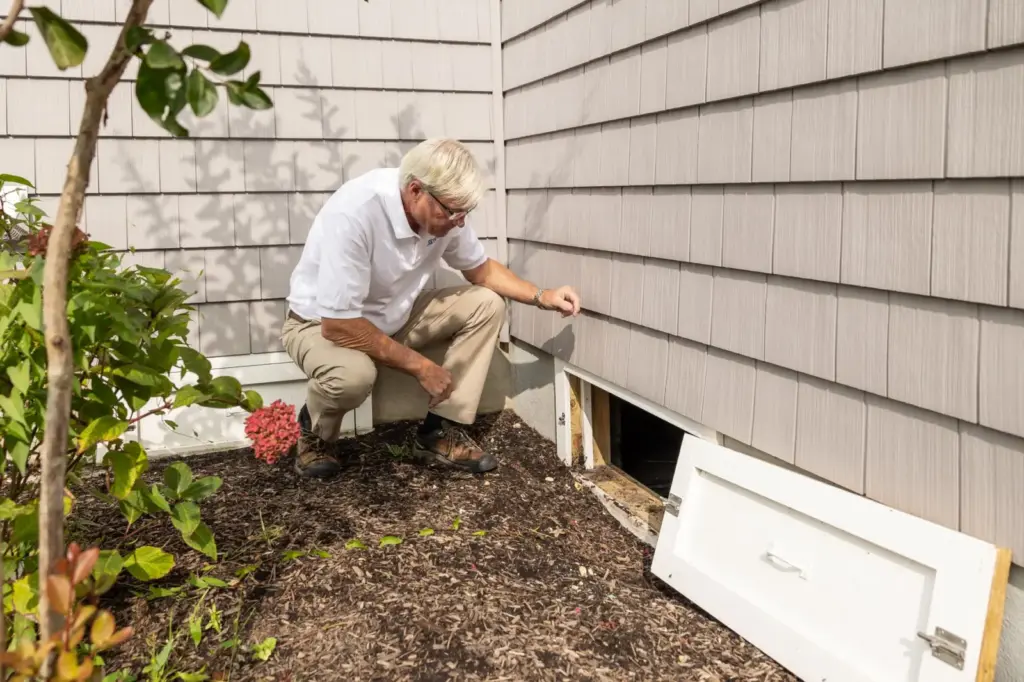
As of 2026, vinyl siding contractors typically charge between $40 and $80 per hour for labor. This range covers most regions and project types. However, the actual rate you pay depends on your location, the complexity of the job, and the contractor’s experience level.
For example, a small repair on a single wall might be billed at the lower end, while a full two‑story home with lots of corners, trim, and windows can push the rate toward the higher end. Some contractors also have a minimum charge—often 2 to 4 hours—even for quick fixes.
Keep in mind that the hourly rate alone doesn’t tell the whole story. Some pros give a flat “per square foot” price instead. When you ask for an hourly breakdown, you can better judge whether their overall quote is reasonable.
Factors That Affect Hourly Charges

Several variables influence what a contractor will quote you per hour. Understanding these helps you ask the right questions and avoid overpaying.
Geographic Location
Labor rates vary widely by state and city. Coastal areas, major metro regions, and places with a higher cost of living often see rates $10–$20 higher than rural or Midwestern markets. For instance, a contractor in New York City might charge $75–$90 per hour, while one in rural Indiana could be $35–$50.
Project Complexity & Home Size
A simple rectangular ranch house with few windows and no gables takes less time than a two‑story colonial with dormers and ornate trim. More complex rooflines, multiple stories, and the need for scaffolding or ladders increase labor time—and often the hourly rate.
Season & Demand
Summer and early fall are peak siding seasons. Contractors are busiest then and may charge a premium. In winter (in warmer climates) or late fall, you might find lower rates or more willingness to negotiate.
Contractor Experience & Licensing
Established, licensed contractors with a strong reputation typically charge more per hour. They also carry insurance, offer warranties, and use skilled crews. Handymen or unlicensed workers may charge less but also carry higher risk.
Preparation & Removal of Old Siding
If the old siding needs to be removed, that adds hours to the job. Some contractors include removal in the hourly rate, others charge a separate disposal fee. Always ask what’s included.
Comparison of Contractor Types: Who Should You Hire?
Not all siding contractors are the same. Here we compare five common types, each with its own pricing structure, strengths, and weaknesses.
1. Specialized Vinyl Siding Company
Overview: These businesses focus exclusively on siding installation and repair. Their crews are trained specifically on vinyl, often factory‑certified by brands like CertainTeed or James Hardie.
Features: Deep product knowledge, manufacturer warranties, consistent quality, often use specialized tools (e.g., siding brake for custom cuts).
Pricing: Hourly rates typically range from $55 to $85. They may also quote per square foot ($3–$7 installed). Minimum charges of 3–4 hours are common.
Advantages:
- Expertise in vinyl specifically
- Usually offer labor warranties (1–5 years)
- Work quickly due to experience
- Better access to premium materials
Disadvantages:
- Highest hourly rates
- May have longer wait times
- May not take on very small repairs
Best For: Full house siding replacements, complex installations, homeowners who want a guarantee.
User Experience: Homeowners consistently mention professional communication, clean job sites, and fewer callbacks. Some note the higher upfront cost is offset by fewer problems later.
Expert Opinion: For a major investment like new siding, a specialized contractor offers the best balance of speed and reliability. The extra cost per hour often saves money in the long run by avoiding mistakes.
2. General Contractor (GC)
Overview: A general contractor manages multiple trades—roofing, windows, siding, etc. They subcontract the siding work to a crew they trust.
Features: Single point of contact, handles permits and scheduling, can bundle siding with other renovations.
Pricing: GCs typically mark up the sub’s labor by 10%–20%. Their effective hourly rate for siding work usually lands between $50 and $75. They often provide a flat project price rather than an hourly breakdown.
Advantages:
- Simplified project management
- Can coordinate multiple renovations at once
- Often has established relationships with quality subs
Disadvantages:
- Less specialization in siding
- Markup increases overall cost
- You may not meet the actual siding installer
Best For: Whole‑house renovations, homeowners who want one contract and one warranty.
User Experience: Customers appreciate the convenience but sometimes feel disconnected from the on‑site crew. Communication can be slower if the GC manages many jobs.
Expert Opinion: A GC is a solid choice if you’re also doing windows, roofing, or other exterior work. For siding‑only jobs, a specialist may be more efficient and cheaper.
3. Handyman Service
Overview: Independent handymen often take on smaller siding repairs—replacing a damaged panel, fixing trim, or patching holes.
Features: Very flexible, can do small jobs that larger contractors refuse, often no minimum hours.
Pricing: Hourly rates range from $35 to $60. Some handymen charge for materials at cost plus a small markup.
Advantages:
- Lower hourly cost
- Willing to do small repairs
- Often available on short notice
Disadvantages:
- Limited experience with full siding installations
- May lack insurance or proper licensing
- No labor warranty
- Work may not match manufacturer specifications
Best For: Minor repairs, small patches, budget‑conscious homeowners.
User Experience: Mixed reviews. For simple jobs, homeowners are happy with the low cost. But some report issues with workmanship on larger projects.
Expert Opinion: Handymen are excellent for small fixes but not recommended for full house siding. The risk of improper installation leading to moisture problems far outweighs the savings.
4. Large Home Improvement Franchise (e.g., Window World, Lowe’s, Home Depot)
Overview: Big‑box retailers and national franchise brands offer siding installation through their network of approved contractors.
Features: Corporate‑backed warranties, consistent pricing across regions, financing options, branded materials.
Pricing: These companies rarely list hourly rates. Instead, they quote a total project cost—often $5,000–$15,000 for an average house. Their effective labor hourly rate is around $60–$90, but includes overhead and corporate margins.
Advantages:
- Strong warranties (up to lifetime on materials)
- Financing available
- Easy to schedule and manage online
- Trusted brand name
Disadvantages:
- Highest overall cost
- Limited customization of materials
- Sales process can feel pushy
- Actual installer is a sub‑contractor you can’t choose
Best For: Homeowners who value brand reliability and want everything handled from start to finish.
User Experience: Many customers praise the smooth process and follow‑up support. Others complain about high pressure sales and that the sub‑contractor quality varies.
Expert Opinion: Franchises are a safe bet if you’re worried about scams, but you’ll pay a premium. Always read the fine print on labor warranties—some are prorated.
5. Independent Contractor (Solo Pro)
Overview: An experienced individual who runs his own siding business, often with one or two helpers. They don’t have a large office or sales team.
Features: Personalized service, often lower overhead, flexible scheduling, direct communication with the owner.
Pricing: Hourly rates from $40 to $65. Many give a flat quote per square foot ($2.50–$5 installed). Minimum charges are common (2–4 hours).
Advantages:
- Lower rates than specialized companies or franchises
- Owner often does the work himself
- More willing to negotiate
- Local knowledge and references
Disadvantages:
- May have limited availability during peak season
- Less backup if something goes wrong
- Warranty is only as good as the contractor’s word
Best For: Budget‑conscious homeowners who want a personal relationship with the contractor and don’t need a big company name.
User Experience: Those who find a good independent contractor are very loyal. However, a few homeowners report difficulty getting the contractor to return for warranty issues.
Expert Opinion: An independent contractor can be a great value if you do your homework—check references, verify insurance, and get a written contract. They often provide the best “bang for the buck” on standard homes.
Quick Comparison Table: Vinyl Siding Contractor Types
| Contractor Type | Hourly Rate Range | Minimum Hour Charge | Travel Fee (Typical) | Warranty on Labor | Best For |
|---|---|---|---|---|---|
| Specialized Siding Company | $55 – $85 | 3–4 hours | Often included or waived for jobs over $500 | 1–5 years | Full replacements, complex jobs |
| General Contractor | $50 – $75 | Usually flat project price | Included in project cost | Varies (1–2 years typical) | Whole‑house renovations |
| Handyman Service | $35 – $60 | 1–2 hours | $25–$50 often added | None or 30 days | Minor repairs |
| Large Franchise/Retailer | $60 – $90 (effective) | Flat project quote only | Included | Up to lifetime (materials), limited labor | Brand reliability, financing needs |
| Independent Contractor | $40 – $65 | 2–4 hours | Usually included within local area | 1 year (verbal or written) | Budget‑friendly full jobs |
How to Choose the Right Contractor for Your Budget
Selecting the best vinyl siding contractor isn’t just about the lowest hourly rate. You need to consider value, quality, and long‑term peace of mind. Follow this guide to make a smart choice.
What to Look For
- License and Insurance: Verify the contractor is licensed for your state (if required) and carries general liability insurance and workers’ compensation. This protects you if an accident happens.
- Experience with Vinyl: Ask how many vinyl siding jobs they’ve completed. Look for at least 3–5 years of dedicated experience.
- References and Reviews: Ask for three recent references from homeowners with similar projects. Also check online reviews on Google, Yelp, or the Better Business Bureau.
- Written Estimate: A detailed written estimate should include the scope of work, materials, labor breakdown (including hourly rates if applicable), payment schedule, and start/end dates.
Important Features to Clarify
- Material markup: Do they charge retail price for siding or give trade discounts?
- Disposal fees: Is removal of old siding included in the labor rate or extra?
- Travel charges: Some contractors add a trip fee for sites beyond a certain radius.
- Clean‑up: Will they haul away debris or leave it for you? Daily clean‑up should be part of the job.
Pricing Factors You Should Know
Beyond the hourly rate, the total project cost depends on:
- Square footage of exterior walls (minus windows and doors)
- Number of stories – two‑story homes need scaffolding or ladders, adding time
- Complexity of roofline – gables, dormers, and curves require more skill
- Existing siding condition – if there is rot or mold underneath, extra prep work is needed
- Time of year – off‑season often means lower rates
Hidden Costs to Watch For
- Permit fees – Some municipalities require a permit for siding replacement. Ask if the contractor includes the fee or if it’s extra.
- Third‑party inspections – Rare, but some HOAs or condo boards require a paid inspection.
- Unexpected rot or structural damage – Once old siding is removed, rotten sheathing or framing may need replacement. Have a contingency of 10–15% of the project budget.
- Material price fluctuations – Vinyl prices have been volatile. Ask if the quote is locked in for a certain period.
Tips for Choosing Wisely
- Get at least three written quotes from different contractor types (e.g., one specialist, one independent, one franchise).
- Ask specifically: “What is your hourly labor rate, and how many hours do you estimate for my job?” If they won’t give an hourly rate, ask for a breakdown of labor vs. materials.
- Check that the contractor’s insurance policy covers subcontractors (if they use any).
- Don’t pay the full amount upfront. A typical schedule is 10–30% deposit, with the balance due upon completion.
- Read the warranty carefully. A labor warranty of at least one year is standard; two years is excellent.
When budgeting for your siding project, you may also be tackling other home upgrades at the same time. For example, if you need to update your electrical panel or add an exterior outlet for lighting, you can get cost guidance from related guides. Read also: Cost to Upgrade Electrical Panel to 200 Amps: Full Guide 2026. Understanding these interconnected costs helps you plan a complete renovation without surprises.
Similarly, if your siding project involves removing old aluminum wiring or adding new circuits for outdoor outlets, check these resources. Read also: Electrician Cost to Add a 20 Amp Circuit: 2026 Pricing Guide. Staying informed about all trades involved ensures your budget is comprehensive.
Frequently Asked Questions
1. What is the average hourly rate for a vinyl siding contractor in 2026?
Most contractors charge between $40 and $80 per hour. The national average is around $55–$65 per hour. Rates vary by region, experience, and job complexity. Always get multiple quotes to see what’s typical for your area.
2. Do vinyl siding contractors charge by the hour or by the project?
Many contractors prefer a flat project price because it protects both parties from unexpected delays. However, smaller repairs and some independent contractors still use hourly billing. Always ask for both an estimated hourly rate and the expected hours so you can compare.
3. Why do some contractors refuse to give an hourly rate?
Some contractors avoid hourly rates because they want to price based on the value of the job, not time. They may fear that a slow crew could lose them money. A flat project quote can still be fair if you compare it with competitor quotes. If you suspect the rate is inflated, ask for a labor breakdown.
4. What are the hidden costs in vinyl siding installation?
Common hidden costs include permit fees, disposal of old siding, unexpected rot repair, travel charges, and material price increases. Always ask whether the quote includes removal and disposal. Budget an extra 10–15% for unforeseen structural issues.
5. Can I negotiate the hourly rate with a siding contractor?
Yes, especially during slow seasons or for larger projects. Independent contractors and handymen are more flexible than franchises. You can also try bundling multiple repairs (e.g., fascia, soffit) to get a better per‑hour price.
6. How many hours does it take to install vinyl siding on an average house?
A typical 1,500–2,000 square foot single‑story home takes 2–4 days for a two‑person crew, or roughly 30–60 labor hours. Two‑story homes and those with complex rooflines can take 2–3 weeks. Ask your contractor for a specific time estimate.
7. Is it cheaper to hire a handyman for vinyl siding repair?
For small patches and single‑panel replacements, a handyman is often cheaper ($35–$60 per hour) and will take the job. For larger sections or whole walls, a siding specialist is safer—they will ensure proper overlap and water sealing, preventing costly leaks later.
Conclusion
Knowing how much do vinyl siding contractors charge per hour gives you a powerful tool when negotiating quotes. While the average falls between $40 and $80 per hour, the right choice depends on your project’s size, complexity, and your personal priorities. For a full replacement, a specialized siding company offers the best overall value in terms of quality and warranty. An independent contractor is the best budget‑friendly option if you do your due diligence. If you value a one‑stop shop with financing, a large franchise may be worth the premium. For simple repairs, a handyman can save you money, but stick to specialists for major work. Always get multiple written estimates, ask about hourly rates, and plan for hidden costs. With this knowledge, you can confidently hire a contractor who delivers great results without breaking the bank.
Referensi: Badan Pusat Statistik (BPS).
