You are standing at a home improvement crossroads. On one side, regular vinyl siding looks affordable and familiar. On the other side, insulated vinyl siding promises energy savings and durability, but the price tag gives you pause. The insulated vinyl siding vs regular cost difference is not just about what you pay upfront — it is about what you keep in your pocket over the next ten, fifteen, or twenty years. With material prices fluctuating and energy codes tightening across many regions, choosing the wrong option can cost you thousands in hidden expenses. This guide breaks down every dollar, every benefit, and every trade-off so you can make a confident decision. Let us walk through the numbers together.
What Is Insulated Vinyl Siding and How Does It Differ from Regular Vinyl?
Regular vinyl siding is a hollow panel made from polyvinyl chloride (PVC). It is lightweight, moisture-resistant, and widely used because of its low upfront cost. Insulated vinyl siding takes that same PVC panel and bonds a layer of rigid foam insulation — usually expanded polystyrene (EPS) or polyisocyanurate — to the back. This added layer fills the gap between the siding and the exterior wall, reducing thermal bridging and air infiltration.
The visual difference is subtle from the street. Both styles come in similar colors and profiles. But behind the surface, insulated siding offers structural rigidity, better impact resistance, and a noticeable improvement in your home’s thermal envelope. The insulated vinyl siding vs regular cost difference begins with this extra insulation layer, which adds to both the material price and the installation complexity.
Insulated Vinyl Siding vs Regular Cost Comparison Table
Below is a side-by-side comparison of the two siding types based on national average estimates. Your actual costs will vary depending on your location, home size, and contractor rates.
| Feature | Insulated Vinyl Siding | Regular Vinyl Siding | Cost Difference | Best For |
|---|---|---|---|---|
| Material cost per sq ft | $4.50 – $8.00 | $2.50 – $4.50 | +$2.00 – $3.50 per sq ft | Energy-conscious homeowners |
| Installation labor per sq ft | $4.00 – $7.00 | $3.00 – $6.00 | +$1.00 – $2.00 per sq ft | DIY-friendly projects |
| Total installed cost (2,000 sq ft home) | $17,000 – $30,000 | $11,000 – $21,000 | +$6,000 – $9,000 | Cold climate regions |
| R-value per inch | R-3.5 to R-6.0 | R-0.0 (no insulation) | N/A | Homes with little wall insulation |
| Dent resistance | High | Low to moderate | Insulated is 3x more impact resistant | Areas with hail or flying debris |
| Energy savings (annual) | $100 – $300 | $0 – $50 | $50 – $250 more savings per year | Utility bill reduction |
| Lifespan | 30 – 50 years | 20 – 40 years | +10 years on average | Long-term homeowners |
| Warranty coverage | Lifetime limited | 20 – 40 years | Better transferability | Resale value focus |
As the table shows, the upfront insulated vinyl siding vs regular cost difference ranges from roughly $2.00 to $3.50 per square foot for materials alone. That premium shrinks when you factor in energy savings, longer lifespan, and fewer repairs over time.
1. Best Overall: Premium Foam-Backed Insulated Vinyl Siding
Overview
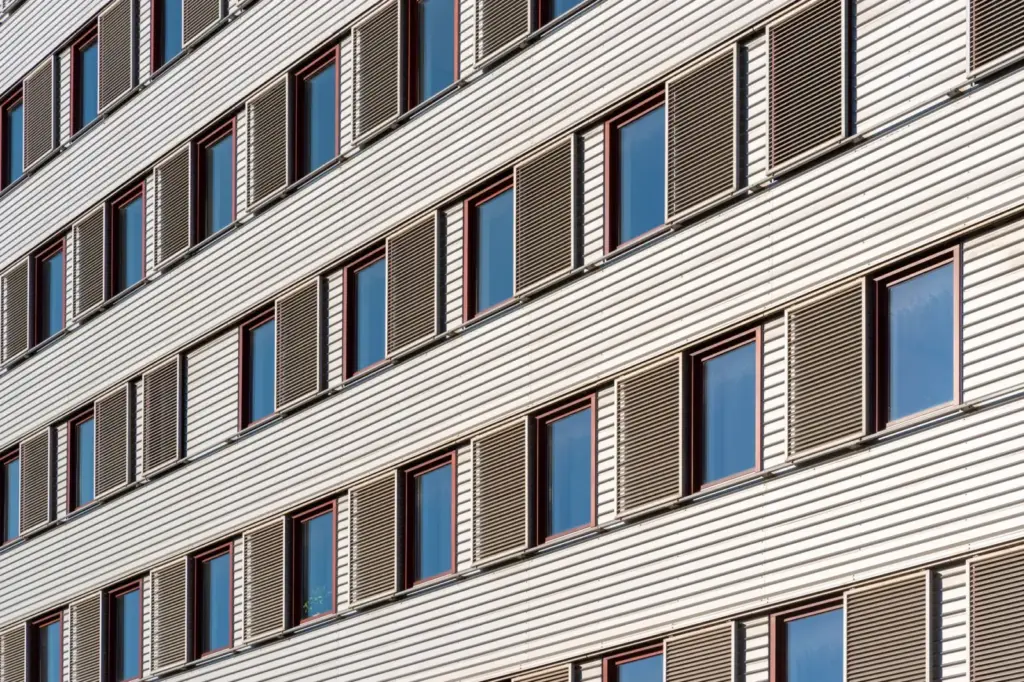
Premium insulated vinyl siding features a thick foam backing — typically 0.5 to 1.0 inches — bonded permanently to a durable vinyl face. Brands like CertainTeed CedarBoards Insulated, Mastic Slate Shake, and Norandex insulated lines represent this category. These products combine the curb appeal of real wood or shake siding with modern energy performance.
Features
The foam board is factory-laminated, so there is no risk of delamination over time. The panels include interlocking joints that reduce air leakage. Many premium lines offer a wood-grain texture that mimics cedar or hand-split shakes. Color is baked into the vinyl, so fading is minimal for decades.
Pricing
Material cost ranges from $5.50 to $8.00 per square foot. Installed, you are looking at $10.00 to $15.00 per square foot for a typical 2,000-square-foot home, totaling $20,000 to $30,000. This is the highest tier in the insulated vinyl siding vs regular cost difference comparison.
Advantages
- Highest R-value per inch among vinyl siding options
- Excellent impact resistance — stands up to hail and errant baseballs
- Reduces outside noise noticeably
- Lifetime limited warranty that is transferable to new owners
- Resists warping and buckling in extreme temperatures
Disadvantages
- Significantly higher upfront investment
- Heavier panels require professional installation for best results
- Limited color palette compared to standard vinyl
- Not ideal for homes with very narrow side clearance (tight corners)
Best For
Homeowners planning to stay in their home for 15+ years who value energy efficiency, reduced noise, and premium curb appeal. Also great for homes in colder climates (USDA Zone 5 and colder).
User Experience
Homeowners consistently report lower heating bills in the first winter after installation. Many also mention that rooms on exterior walls feel less drafty. The most common feedback is that the siding feels solid when you knock on it — a stark contrast to the hollow sound of regular vinyl.
Expert Opinion
Premium insulated siding delivers the best long-term value if your budget allows. The payback period typically ranges from 8 to 15 years depending on local energy prices and climate. For homeowners in regions with extreme temperature swings, the energy savings alone can justify the higher cost within a decade.
2. Best Value: Mid-Range Insulated Vinyl Siding
Overview
Mid-range insulated vinyl siding uses a thinner foam backing (0.25 to 0.5 inches) and a standard-gauge vinyl panel. Brands like Ply Gem Charter Oak Insulated and Alside Ascend Insulated sit in this category. You get the core benefits of insulation without the premium price of architectural-grade products.
Features
Foam backing is mechanically attached or laminated to the vinyl. Panels are designed for standard nail-flange installation. Most mid-range lines offer a smooth or subtle wood-grain finish in a wide range of colors. Joints include a snap-lock design for a clean appearance.
Pricing
Materials run $3.50 to $5.50 per square foot. Installed cost lands between $7.50 and $11.00 per square foot. For a 2,000-square-foot home, expect a total of $15,000 to $22,000. This represents the sweet spot in the insulated vinyl siding vs regular cost difference equation.
Advantages
- Good balance between upfront cost and energy savings
- Improved dent resistance over regular vinyl
- Noticeable reduction in air infiltration
- Wider color availability than premium lines
- Compatible with most existing trim and accessories
Disadvantages
- Foam layer may compress if overtightened during installation
- R-value is lower than premium options
- Still costs substantially more than regular vinyl upfront
- Some brands have shorter warranties (30 years instead of lifetime)
Best For
Homeowners who want the benefits of insulated siding but need to stay within a moderate budget. Ideal for climates where heating and cooling costs are moderate — think USDA Zones 4 through 6.
User Experience
Many users report that the siding installs easier than regular vinyl because the foam backing adds rigidity, so panels stay flat. Complaints are rare but occasionally mention that the foam can separate if panels are cut poorly around windows or corners.
Expert Opinion
Mid-range insulated siding is often the smartest choice for the average homeowner. You recover roughly 60 to 70 percent of the premium in energy savings over 15 years, and your home gains resale appeal because the thicker panels signal quality to buyers.
3. Best Budget Choice: Standard Regular Vinyl Siding
Overview
Regular vinyl siding is the baseline. No foam backing. No extra R-value. Just a hollow PVC panel that protects your home from rain and wind. Brands like CertainTeed Monogram, Norandex Sentry, and Ply Gem Northern Star dominate this category due to their low cost and wide availability.
Features
Panels are available in .042 to .046 gauge thickness. They have a traditional lap profile or vertical panel style. Color is extruded throughout the material, so scratches are less visible. Installation requires careful nailing to avoid buckling in extreme heat.
Pricing
Materials range from $2.50 to $4.50 per square foot. Installed cost is $5.50 to $10.50 per square foot, putting a 2,000-square-foot home between $11,000 and $21,000. This is the low end of the insulated vinyl siding vs regular cost difference comparison.
Advantages
- Lowest upfront investment
- Lightweight material, so DIY installation is feasible
- Widely available at most home improvement stores
- Massive color selection — hundreds of options
- Easy to repair individual panels if damaged
Disadvantages
- No insulation value — your walls are only as warm as your framing allows
- Prone to denting from hail, ladder contact, or landscaping tools
- Can warp or sag in high heat if not nailed correctly
- Hollow sound during rain or wind less appealing
- Shorter lifespan than insulated options
Best For
Budget-constrained homeowners, rental property owners, or those planning to sell within 5 to 7 years. Also a reasonable choice in mild climates where heating and cooling loads are low.
User Experience
Regular vinyl siding gets the job done. Homeowners appreciate the low cost and easy maintenance. But many also mention that they can feel drafts through the walls on cold days, and the siding feels flimsy compared to older homes with wood or fiber cement.
Expert Opinion
Regular vinyl is a durable, cost-effective cladding for the right situation. However, if you live in a region with temperature extremes or high energy costs, the long-term savings from insulated siding typically outweigh the upfront savings of going with regular vinyl.
4. Best for Cold Climates: Thick Insulated Vinyl Siding (R-5+)
Overview
This category focuses on insulated siding with a foam thickness of at least one inch, achieving R-values of R-5 or higher. Products like Norandex PolarWall Insulated and CertainTeed InsulVinyl Siding are engineered specifically for northern climates where every point of R-value matters on your energy bill.
Features
The foam is typically polyisocyanurate for higher R-value per inch. Panels include a tongue-and-groove joint system that minimizes thermal bridging at the seams. Some lines offer a thermal break at the nail flange to reduce heat loss through fasteners.
Pricing
Materials run $6.00 to $9.00 per square foot. Installed cost is $11.00 to $16.00 per square foot. For a 2,000-square-foot home in a cold climate, budget between $22,000 and $32,000 total.
Advantages
- Highest thermal performance available in vinyl siding
- Significant reduction in heating costs during winter months
- Minimizes condensation risk inside wall cavities
- Exceptional structural rigidity — panels resist wind loads well
- Can qualify for energy efficiency tax credits in some regions
Disadvantages
- Highest cost in the insulated vinyl siding vs regular cost difference spectrum
- Heaviest panels — two-person installation required
- Fewer contractors have experience with thick insulated products
- May require custom trim details around windows and doors
Best For
Homeowners in USDA Zones 5 through 8 (cold winters, significant snowfall). Also excellent for homes with existing wall insulation of R-11 or less, where the siding provides a meaningful thermal boost.
User Experience
Users in northern states and Canadian provinces report the most dramatic improvements. Many say their furnace runs less frequently after installing R-5+ insulated siding. The common trade-off mentioned is the higher cost, but nearly all feel it pays back within 10 to 12 winters.
Expert Opinion
For cold climates, thick insulated siding is one of the most effective exterior upgrades you can make. It outperforms adding attic insulation in terms of comfort improvement because it addresses the walls where heat loss is often greatest. If you plan to stay in your home long-term, this is the top recommendation.
5. Best for Warm Climates: Medium-Gauge Regular Vinyl with Radiant Barrier
Overview
In warm climates, the priority shifts from keeping heat in to keeping heat out. Some homeowners pair regular vinyl siding with a radiant barrier or house wrap that reflects solar heat. This approach combines the low upfront cost of regular vinyl with a modest improvement in thermal performance.
Features
Standard vinyl siding panels installed over a reflective foil house wrap. The wrap is stapled to the exterior sheathing before siding goes on. Some manufacturers now offer vinyl siding with a foil backing integrated into the panel.
Pricing
Materials: $3.00 to $5.00 per square foot for the siding plus $0.30 to $0.60 per square foot for radiant barrier wrap. Installed total: $7.00 to $11.00 per square foot. A 2,000-square-foot home runs $14,000 to $22,000.
Advantages
- Lower cost than full insulated siding
- Reduces cooling load by reflecting radiant heat
- Easy to combine with existing wall insulation
- Familiar installation process for contractors
- Wide color and profile selection
Disadvantages
- Does not reduce conductive heat transfer through walls
- Radiant barrier loses effectiveness if dusty or covered
- No improvement in impact resistance or noise reduction
- Still prone to denting and warping like regular vinyl
Best For
Homeowners in hot, sunny climates (USDA Zones 8 through 10) who want a cost-effective way to reduce cooling costs without the full premium of insulated siding.
User Experience
Users in the southern U.S. report modest energy savings — typically 5 to 10 percent on cooling bills. Some mention that the radiant barrier makes attic spaces and upper-floor rooms noticeably cooler during peak summer afternoons.
Expert Opinion
For warm climates, a radiant barrier plus regular vinyl is a pragmatic compromise. It addresses the dominant mode of heat gain (radiation) without over-spending on insulation that provides diminishing returns in mild winters. This approach gives you a favorable insulated vinyl siding vs regular cost difference for your specific climate zone.
What to Look for When Choosing Between Insulated and Regular Vinyl Siding
Understand Your Climate Zone
Your local climate is the single biggest factor in deciding which siding is right for you. If your heating degree days exceed 5,000 annually (most of the northern U.S., Canada, and northern Europe), insulated siding offers a strong return on investment. In mild climates with fewer than 2,000 heating degree days, regular vinyl or a radiant barrier approach may be more cost-effective.
Check Your Existing Wall Insulation
If your home already has R-13 or higher insulation in the wall cavities, the additional R-value from insulated siding provides diminishing returns. However, if your walls have little or no insulation — common in older homes — insulated siding can dramatically improve comfort and efficiency. This is where the insulated vinyl siding vs regular cost difference becomes easiest to justify.
Factor in Maintenance and Repairs
Insulated vinyl siding is more rigid and impact-resistant, which means fewer dents and dings over its lifetime. If you live in an area with hail, frequent storms, or kids playing ball near the house, the lower maintenance costs of insulated siding tilt the value equation in its favor.
Consider Resale Value
Real estate agents often note that insulated siding signals quality to buyers. Homes with insulated siding tend to sell faster and at a slight premium — typically 1 to 2 percent more than comparable homes with regular vinyl. This can offset much of the upfront cost difference when you sell. Read also: Cost to Install Vinyl Siding on a 2000 Sq Ft House: 2026 Complete Guide
Hidden Costs to Watch For
Beyond the siding material itself, factor in these potential hidden costs: trim and accessories for thicker panels (often 30 to 50 percent more expensive than standard), additional structural support if your home cannot handle the extra weight, and disposal fees for old siding removal. Some contractors also charge extra for installing insulated siding around windows and corners because the thicker panels require careful fitting.
Additionally, if your home’s electrical system needs upgrades during a major exterior renovation — for example, when moving exterior outlets or adding lighting — you may face parallel costs. Read also: Cost to Upgrade Electrical Panel to 200 Amps: Full Guide 2026 and Read also: Electrician Cost to Rewire a 3 Bedroom House: Full 2026 Guide for context on linked home improvement expenses.
Frequently Asked Questions
1. Is insulated vinyl siding worth the extra cost?
Yes, for most homeowners in colder climates or those with poorly insulated walls. The energy savings typically cover the premium within 8 to 15 years. You also gain better impact resistance, noise reduction, and higher resale value. In mild climates, the payback period may be longer, making regular vinyl a better financial fit.
2. How much more does insulated vinyl siding cost than regular vinyl?
Materials cost $2.00 to $3.50 more per square foot. Installed costs add $1.00 to $2.00 per square foot in labor. For a typical 2,000-square-foot home, the total premium ranges from $6,000 to $9,000. This premium varies by brand, foam thickness, and your contractor’s experience level.
3. Does insulated vinyl siding eliminate the need for wall insulation?
No. Insulated siding adds R-value to the exterior, but it does not replace cavity insulation. The best results come when you combine insulated siding with properly insulated wall cavities. Together, they create a continuous thermal barrier that minimizes heat loss and condensation risks.
4. Can I install insulated vinyl siding over old siding?
It depends on the condition of the existing siding and local building codes. Many insulated siding products can be installed over flat, sound surfaces. However, removing old siding is usually recommended to inspect the sheathing for rot or moisture damage. Installation over existing siding also affects trim and window clearance.
5. Does insulated vinyl siding reduce noise?
Yes. The foam backing absorbs sound energy, reducing exterior noise by 20 to 40 percent compared to regular vinyl. Homeowners near busy roads, schools, or airports notice the biggest difference. The thicker the foam, the greater the noise reduction.
6. How long does insulated vinyl siding last?
Most premium insulated vinyl siding products come with lifetime limited warranties. With proper installation and basic maintenance, expect 30 to 50 years of service. The foam backing is chemically stable and does not degrade over time. Temperature extremes and UV exposure will fade the color gradually over decades.
7. What gauge vinyl is best for insulated siding?
Look for .046 gauge or thicker for insulated siding. Thicker vinyl resists denting better and provides a more rigid base for the foam backing. Thinner gauges (under .040) may telegraph imperfections in the foam surface and show more flex over time.
8. Does insulated vinyl siding increase home value?
Yes, but modestly. Real estate studies suggest a 1 to 3 percent increase in resale value compared to similar homes with regular vinyl. The bigger benefit is faster sale time — insulated siding is a recognized quality feature that reduces buyer objections.
Final Summary: Making Your Choice
The insulated vinyl siding vs regular cost difference ultimately comes down to your climate, your budget, and how long you plan to stay in your home. Let us recap the top recommendations:
- Best Overall: Premium foam-backed insulated siding delivers the best combination of energy savings, durability, and curb appeal. Ideal for homeowners who plan to stay for 15+ years and want maximum comfort.
- Best Value: Mid-range insulated vinyl siding offers the most balanced trade-off between upfront cost and long-term savings. Perfect for moderate climates and average budgets.
- Best Budget Choice: Regular vinyl siding keeps your initial investment low. Best for rental properties, short-term homeowners, or mild climates where energy loads are minimal.
- Best for Cold Climates: Thick insulated siding (R-5+) provides the highest thermal performance. The premium is easily justified by dramatic heating cost reductions.
- Best for Warm Climates: Regular vinyl with a radiant barrier gives you climate-appropriate performance without overpaying for insulation you won’t recoup.
Whichever path you choose, invest in professional installation and quality trim details. The siding itself is only half the story — proper flashing, sealing, and joint alignment determine whether your home stays dry and efficient for decades.
—
[TITLE]: Insulated Vinyl Siding vs Regular Cost Difference: 2026 Guide
[TITLE_VARIANTS]: Insulated Vinyl Siding vs Regular: Cost Comparison 2026 || Is Insulated Vinyl Siding Worth the Extra Cost? || Insulated vs Regular Vinyl Siding: Which Costs Less Long-Term? || Insulated Vinyl Siding Cost vs Regular: Full Breakdown || Regular vs Insulated Vinyl Siding: Price, Savings & Value || Insulated Vinyl Siding vs Standard: The Real Cost Difference || How Much More Does Insulated Vinyl Siding Cost? (2026) || Insulated vs Regular Siding: Upfront Price vs Lifetime Savings || Best Insulated Vinyl Siding Options for Your Budget
[FOCUS_KEYPHRASE]: insulated vinyl siding cost
[SEO_TITLE]: Insulated Vinyl Siding vs Regular Cost Difference: 2026 Guide
[SLUG]: insulated-vinyl-siding-vs-regular-cost
[META_DESC]: Insulated vinyl siding vs regular cost difference: see side-by-side pricing, energy savings, and payback periods. Expert advice for 2026 home improvement decisions.
[TAGS]: insulated vinyl siding, regular vinyl siding, siding cost comparison, home exterior, energy efficient siding
[CATEGORY]: General
[IMAGE_ALT]: Insulated vinyl siding cross-section showing foam backing || Regular vinyl siding hollow panel profile || Side-by-side comparison of insulated vs regular vinyl siding || Home exterior with insulated vinyl siding installed || Cost comparison chart for insulated vs regular vinyl siding
[INTERNAL_LINKS]: Cost to Install Vinyl Siding on a 2000 Sq Ft House: 2026 Complete Guide || Electrician Cost to Rewire a 3 Bedroom House: Full 2026 Guide || Cost to Upgrade Electrical Panel to 200 Amps: Full Guide 2026 || Average Cost to Install a Subpanel in Garage: 2026 Guide || How Much to Upgrade Electrical Service from 60 to 100 Amps? (2026 Cost Guide)
[FAQ_SCHEMA]: Is insulated vinyl siding worth the extra cost? || How much more does insulated vinyl siding cost than regular vinyl? || Does insulated vinyl siding eliminate the need for wall insulation? || Can I install insulated vinyl siding over old siding? || Does insulated vinyl siding reduce noise? || How long does insulated vinyl siding last? || What gauge vinyl is best for insulated siding? || Does insulated vinyl siding increase home value?
