If you are planning a home exterior upgrade, you have likely asked yourself: vinyl siding vs fiber cement cost 2025 comparison — which material offers the best balance of price and performance? Siding is a big investment, and making the wrong choice can cost you thousands in repairs or lost home value. With material prices shifting and labor rates rising, getting a clear picture for 2025 is essential. This guide breaks down every cost factor, hidden expense, and practical trade-off so you can choose confidently. No fluff, just straight facts.
Why the Cost Comparison Matters More in 2025
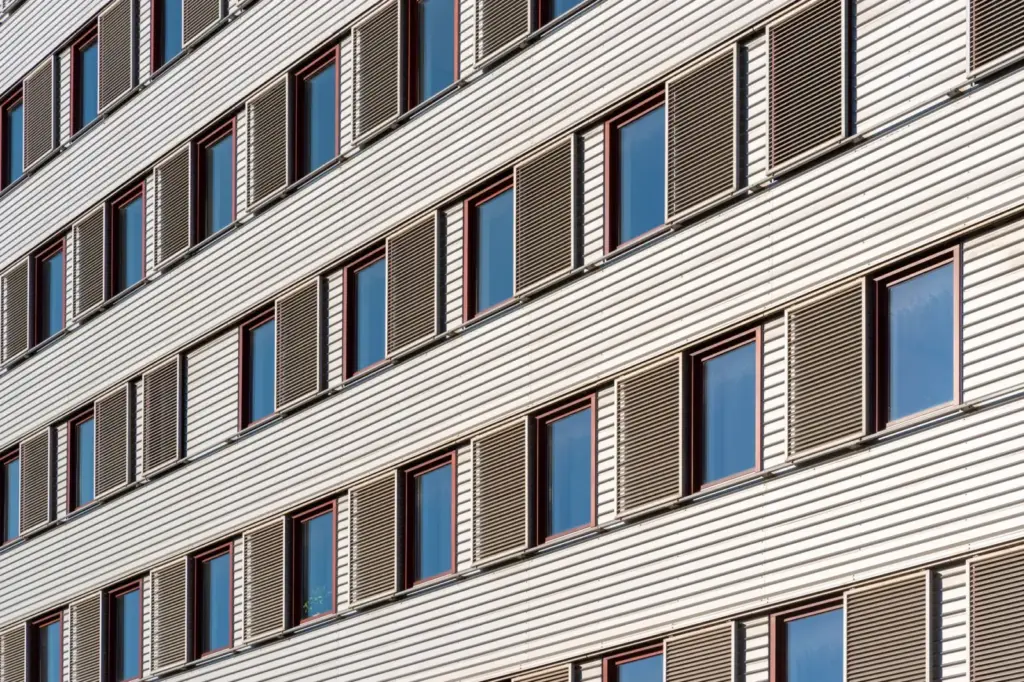
Supply chain improvements and new manufacturing methods have changed the pricing landscape for both vinyl and fiber cement. Vinyl remains the most budget-friendly option upfront, but fiber cement offers superior longevity and fire resistance. However, installation complexity and regional labor rates create wide variations in total cost. Understanding these differences now will help you avoid budget surprises later.
Vinyl Siding vs Fiber Cement Cost 2025 Comparison: Quick Overview
| Factor | Vinyl Siding | Fiber Cement Siding |
|---|---|---|
| Average installed cost per sq ft | $3.50 – $7.00 | $6.50 – $13.00 |
| Material cost per sq ft (uninstalled) | $0.80 – $2.50 | $1.50 – $4.00 |
| Lifespan | 20–40 years | 50+ years |
| Maintenance | Low (occasional washing) | Moderate (painting every 10–15 years) |
| Energy efficiency | Moderate (add foam backing) | Low (needs separate insulation) |
| Fire resistance | Low (melts, not fireproof) | High (non-combustible) |
| Resale value | Moderate | High |
| Aesthetic options | Wide range of colors & textures | Realistic wood grain, many shapes |
Note: Prices vary by region, house size, and contractor rates. Always get multiple quotes.
Detailed Breakdown of Your Top Siding Options in 2025
Below we examine five common siding choices, from the most budget-friendly to premium investments. Each section includes real pricing, pros and cons, and expert insight so you can match a material to your needs.
1. Standard Vinyl Siding (Budget Choice)
Overview: Traditional hollow vinyl panels are the most widely used siding material in North America. Modern formulations resist cracking and fading better than older versions.
Features: Available in horizontal lap, vertical, and shake styles. Many colors are fade-resistant with a 25-year color warranty.
Pricing: Installed cost: $3.50–$5.00 per sq ft. Material alone: $0.80–$1.50 per sq ft.
Advantages:
- Lowest upfront cost
- Virtually no maintenance besides occasional washing
- Resists rot and insect damage
- Easy to install, reducing labor time
Disadvantages:
- Can crack in extreme cold (below -20°F)
- Color fading over decades
- Not fire-resistant
- Lower resale value than fiber cement
Best For: Budget-conscious homeowners in mild climates who plan to stay 10–15 years.
User Experience: Most homeowners appreciate the low initial cost and zero painting. Some complain about denting from hail or baseballs in colder regions.
Expert Opinion: Standard vinyl is a solid economic choice if you are not expecting extreme weather. For cold climates, consider insulated vinyl to improve impact resistance and energy savings. Read also: Insulated Vinyl Siding vs Regular Cost Difference: Which One Saves You More in 2026?
2. Insulated Vinyl Siding (Value Upgrade)
Overview: Vinyl panels backed with foam insulation reduce energy loss and add rigidity. This option bridges the gap between standard vinyl and premium materials.
Features: R-value typically 2–4. Offers better sound dampening and a more solid feel. Available in many colors and textures.
Pricing: Installed cost: $5.00–$7.50 per sq ft. Material: $1.50–$2.80 per sq ft.
Advantages:
- Better energy efficiency (can lower heating bills)
- Increased impact resistance compared to hollow vinyl
- Reduces noise from outside
- Still very low maintenance
Disadvantages:
- Higher installed cost than standard vinyl
- Not fireproof
- Still may dent in severe weather
Best For: Homeowners who want a middle-ground solution with improved comfort and durability without the price tag of fiber cement.
User Experience: Many report noticeably warmer interiors and fewer drafts. Some find the upfront cost hard to justify if their energy bills are already low.
Expert Opinion: Insulated vinyl is an excellent upgrade for cold regions. Check local climate data before deciding. If you live in an area with frequent hail, fiber cement may still be a better long-term investment.
3. Fiber Cement Siding – Brand Example: James Hardie (Reliable Premium)
Overview: Fiber cement is a composite of cement, sand, and cellulose fibers. HardiePlank is the most recognized brand, known for durability and realistic wood looks.
Features: Non-combustible, resistant to rot, termites, and high winds up to 150 mph. Available in lap, panel, and shingle styles. Pre-primed for painting.
Pricing: Installed cost: $7.00–$11.00 per sq ft. Material: $2.00–$3.50 per sq ft.
Advantages:
- Lifespan of 50+ years with proper maintenance
- Excellent fire and impact resistance
- Increases home resale value
- Authentic wood and stucco textures
Disadvantages:
- Higher installation cost due to labor and special tools
- Requires repainting every 10–15 years (adds cost)
- Heavier, so may need structural reinforcement
- Can crack if improperly installed or struck hard
Best For: Homeowners who plan to stay long-term, want maximum curb appeal, or live in fire-prone or high-wind areas.
User Experience: Positive feedback on aesthetics and sturdiness. The main downside mentioned is the painting requirement. Some owners skip repainting, which leads to fading and peeling.
Expert Opinion: Fiber cement from a reputable brand like James Hardie consistently ranks high for durability and resale. If you are willing to budget for periodic painting, it often pays for itself over decades. For cold climates, check if the brand offers a thicker version rated for freeze-thaw cycles. Read also: Best Vinyl Siding Brand for Cold Climates 2026: Top Picks & Guide
4. Premium Fiber Cement – Brand Example: Allura (Cost-Effective Alternative)
Overview: Allura offers similar performance to James Hardie at a slightly lower price point. It uses a proprietary formula for moisture resistance.
Features: Class A fire rating, 50-year warranty, and a variety of wood grain textures. Available pre-primed or pre-finished.
Pricing: Installed cost: $6.50–$10.00 per sq ft. Material: $1.80–$3.00 per sq ft.
Advantages:
- Lower material cost than top-tier fiber cement
- Long warranty period
- Good impact resistance
- Made in the USA
Disadvantages:
- Must still be painted or pre-finished
- Less brand recognition (may affect resale slightly)
- Installation requires experienced contractors
Best For: Budget-conscious homeowners who want fiber cement durability without paying the premium for a top brand.
User Experience: Generally positive, with owners noting that the savings allow them to reinvest in better insulation or landscaping. Some report that the texture is not as realistic as HardiePlank.
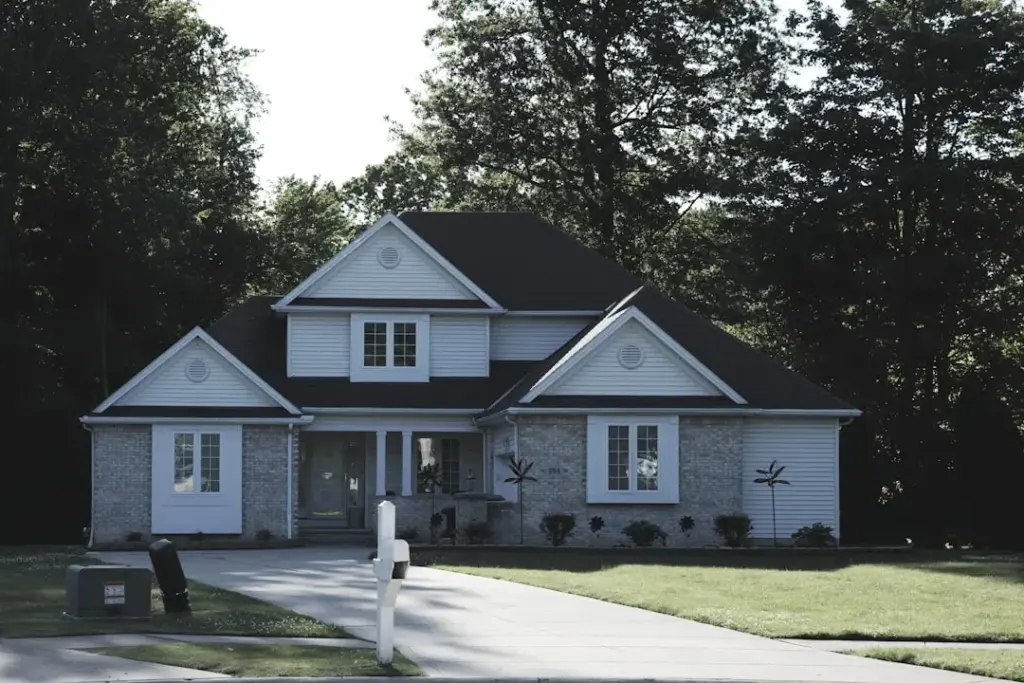
Expert Opinion: Allura is a solid value pick in the fiber cement category. Just ensure your contractor is familiar with the product, as installation quality matters even more with fiber cement than with vinyl.
5. High-End Vinyl Siding – Brand Example: CertainTeed (Aesthetic Premium)
Overview: CertainTeed’s premium vinyl lines, such as CedarBoards or Monogram, mimic handcrafted cedar shakes or deep shadowlines. They are much thicker than standard vinyl.
Features: Thicker panels (0.046” vs standard 0.040”), deeper profiles, and advanced color technology. Some lines include built-in insulation.
Pricing: Installed cost: $6.00–$9.00 per sq ft. Material: $2.50–$4.00 per sq ft.
Advantages:
- Beautiful wood-look appearance without painting
- Better impact resistance than standard vinyl
- No maintenance beyond washing
- Lifetime limited warranty
Disadvantages:
- Still susceptible to melting near grills or reflected sunlight
- Expensive compared to standard vinyl
- Not as durable as fiber cement
Best For: Homeowners who want the look of wood or cedar but want zero maintenance and live in moderate climates.
User Experience: Enthusiastic reviews about the realistic finish. Some users note that the premium vinyl does not dent as easily as cheaper options, but it can still warp in very hot climates.
Expert Opinion: If you are set on vinyl but want top-tier aesthetics, CertainTeed’s premium lines are among the best. However, the price approaches fiber cement territory. For the same cost, fiber cement may offer better long-term value. Read also: Cost to Install Vinyl Siding on a 2000 Sq Ft House: 2026 Complete Guide
Key Factors That Influence the Final Cost
Several variables can shift the price of your siding project beyond the basic material choice.
Labor Rates and House Complexity
Contractor charges vary widely by region. In urban areas, you might pay $50–$80 per hour, while rural areas average $30–$50 per hour. A house with many gables, dormers, or intricate trim will take longer, raising labor costs. Read also: How Much Do Vinyl Siding Contractors Charge Per Hour?
Hidden Costs to Watch For
- Old siding removal: $1,000–$3,000 for a typical 2,000 sq ft house.
- Repairs to sheathing: If rot or damage is found under existing siding, add $500–$2,000.
- Insulation upgrades: Foam backer for vinyl or house wrap for fiber cement can add $0.50–$1.00 per sq ft.
- Permitting fees: Usually $100–$500 depending on location.
Climate and Regional Adjustments
In areas with high humidity or salt air, fiber cement may require more frequent painting. Cold climates demand thicker vinyl or insulated panels. Fire-prone regions often mandate non-combustible materials, making fiber cement the only viable choice.
How to Choose Between Vinyl and Fiber Cement – A Practical Guide
Follow these steps to make the right decision for your home.
1. Evaluate Your Budget and Timeline
If you need the lowest possible upfront cost and plan to move within 10 years, standard or insulated vinyl is likely your best bet. For a forever home, fiber cement’s longer lifespan often justifies the higher initial outlay.
2. Consider Your Climate and Risk Factors
- Wildfire zone: Only fiber cement is safe (non-combustible).
- Hurricane region: Fiber cement with wind-rated installation or high-end vinyl with reinforced panels.
- Very cold or hot climate: Insulated vinyl or fiber cement with added insulation.
3. Think About Maintenance Commitment
Vinyl = zero painting. Fiber cement = repainting every 10–15 years (costs $3,000–$6,000 per job). If you hate ladders and paintbrushes, vinyl wins.
4. Get at Least Three Quotes
Always request itemized quotes that separate material, labor, removal, and extras. This helps you compare apples to apples. Ask about warranties on both materials and labor.
Frequently Asked Questions about Vinyl Siding vs Fiber Cement Cost
- Is fiber cement worth the extra cost over vinyl?
Yes, for homeowners who stay 15+ years. The added durability, fire resistance, and higher resale value often offset the higher initial investment. If you move soon, vinyl’s lower cost is more practical. - Which material is cheaper to install?
Vinyl is significantly cheaper to install because it is lighter and easier to cut. Fiber cement requires special blades and more labor, raising installation cost by 30–60%. - Does vinyl siding lower home value?
Not necessarily, but it generally adds less value than fiber cement. However, good-quality insulated vinyl can still improve curb appeal and energy efficiency. - How long does fiber cement last compared to vinyl?
Fiber cement lasts 50+ years if maintained. Vinyl typically lasts 20–40 years, though premium vinyl can reach 40+. - Can I mix vinyl and fiber cement on the same house?
Yes, some homeowners use fiber cement on the front elevation for looks and vinyl on the sides to save money. Make sure both materials are compatible in thickness and trim. - What is the biggest hidden cost with fiber cement?
Repainting every decade. Over 50 years, painting costs can exceed the initial material savings compared to vinyl. - Which material is better for energy efficiency?
With added foam sheathing, vinyl can achieve higher overall R-values. Fiber cement alone is not insulating, but you can add house wrap and rigid foam underneath. - Do I need a specialist contractor for fiber cement?
Yes. Fiber cement requires precision cutting and nailing techniques. Hiring an inexperienced contractor leads to cracks, water intrusion, and warranty voids.
Final Comparison: Which Material Wins for 2025?
- Best Overall: Fiber Cement (James Hardie) – Combines durability, fire safety, and high resale value. Ideal for long-term homeowners.
- Best Value: Insulated Vinyl Siding – Provides improved energy efficiency and impact resistance at a price much lower than fiber cement.
- Best Premium Option: Premium Vinyl (CertainTeed CedarBoards) – Gives you wood-like beauty without the maintenance of fiber cement painting.
- Best Beginner Choice: Standard Vinyl – Low cost, easy to install, and minimal decisions. Perfect for first-time homeowners or tight budgets.
- Best for Advanced Users: Fiber Cement (Allura) – Offers professional-grade performance at a slightly lower cost, but requires careful installation planning.
When making your final choice, always think about how long you will stay in the house and what risks your area faces. The vinyl siding vs fiber cement cost 2025 comparison boils down to this: if you want the lowest sticker price, go vinyl. If you plan for decades and want peace of mind, fiber cement is the smarter investment. No matter what you decide, get multiple quotes and check references to ensure the job is done right.
Referensi: Badan Pusat Statistik (BPS).
