Selling your home is one of the biggest financial decisions you’ll make, and first impressions matter more than ever. Buyers often decide within seconds whether they want to step inside – and the color of your vinyl siding plays a huge role in that initial reaction. If you’re wondering what the best color for vinyl siding to sell a house is, you’re not alone. Many homeowners struggle with choosing a shade that appeals to the widest pool of buyers while also fitting the neighborhood and climate. This guide will walk you through the top siding colors that research and real estate experts agree deliver the highest return on investment. We’ll cover everything from classic neutrals to bold modern hues, so you can make a confident, profitable decision.
Whether you’re planning a full siding replacement or just a fresh coat of paint for your existing vinyl, the color you pick can significantly affect your home’s perceived value. In today’s competitive housing market, even small upgrades can set your listing apart. By the end of this article, you’ll know exactly which siding colors help sell houses faster and for more money – and which shades to avoid. Read also: Vinyl Siding vs Fiber Cement Cost 2025 Comparison: Which One is Right for You?
Factors That Influence the Best Color for Vinyl Siding When Selling
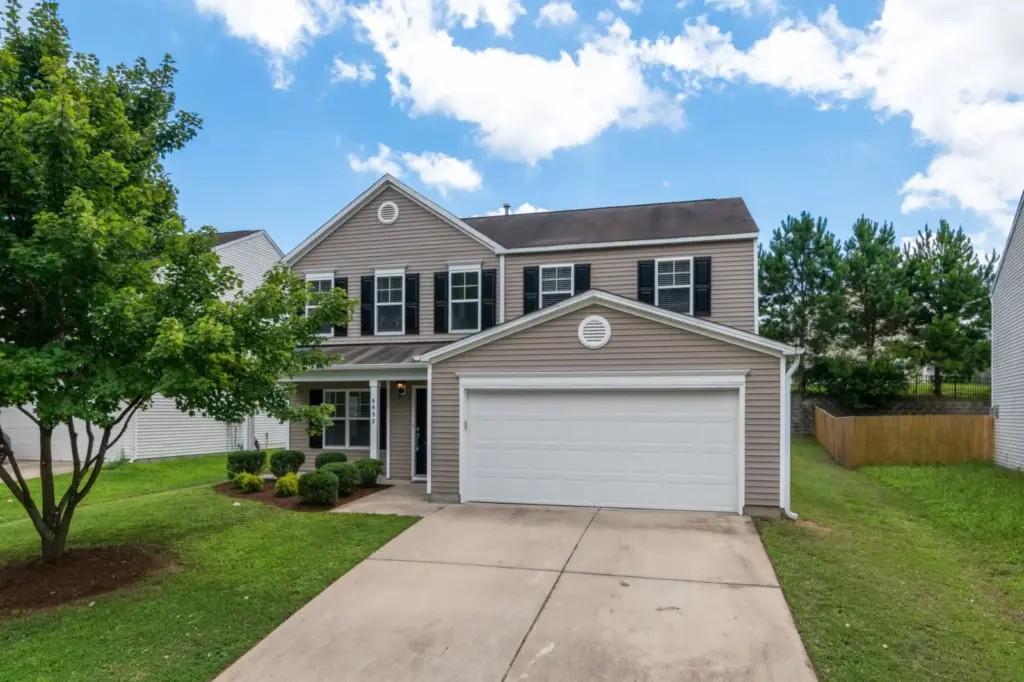
Before diving into specific color recommendations, it’s important to understand what makes a siding color effective for resale. Not all popular shades perform equally in every market.
Curb Appeal and Buyer Psychology
Curb appeal is your home’s handshake with potential buyers. Neutral, well‑maintained siding colors convey a sense of care and move‑in readiness. Bright or overly personal colors can turn off buyers who can’t easily imagine themselves living there.
Neighborhood Consistency
Homes that stand out too much – or too little – can struggle. The best color for vinyl siding to sell a house often aligns with the dominant palette of the surrounding homes. If every house on your street is a soft gray, going with a loud blue might hurt your sale price.
Climate and Sun Exposure
Dark colors absorb heat, which can cause vinyl siding to warp or fade in hot climates. Light colors reflect sunlight and stay cooler. In cold climates, darker siding might help melt snow faster, but it also increases thermal stress. Always check manufacturer warranties for darker shades.
Architectural Style
Colonial homes look great with crisp white or pale yellow. Modern or ranch‑style homes often suit gray or dark blue. Matching the color to the home’s architecture makes the design feel intentional and cohesive.
Buyer Demographics
Young families often prefer light, cheerful colors; retirees may lean toward classic neutrals. Understanding your target buyer helps narrow down the best options.
Top 5 Best Colors for Vinyl Siding to Sell a House
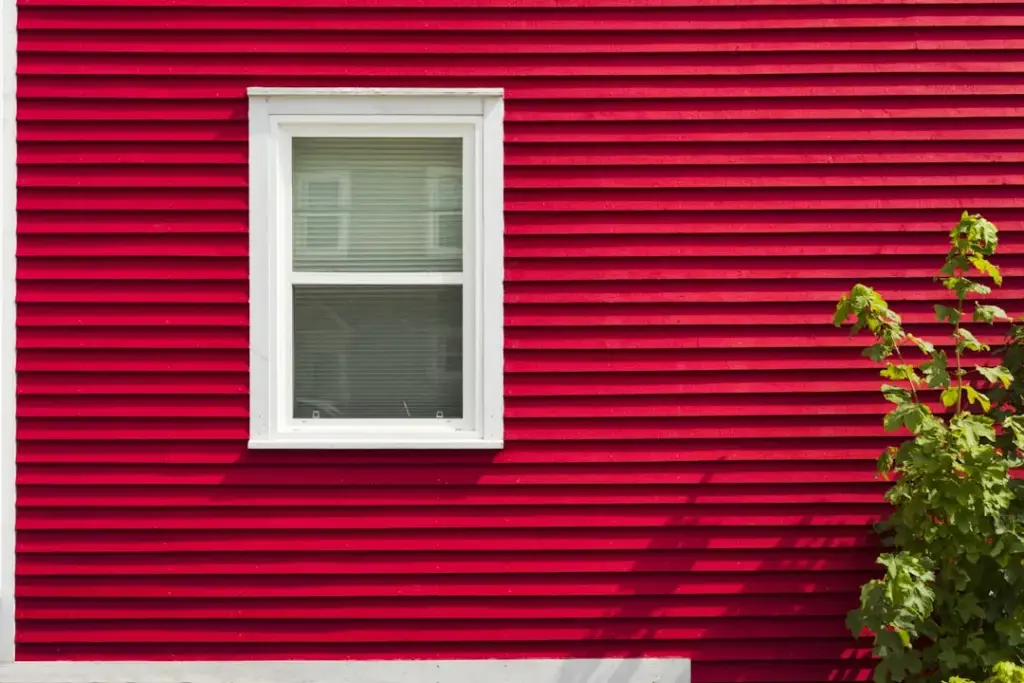
Below are the five most effective siding colors for resale, based on real estate data, curb appeal studies, and contractor feedback. Each entry follows a consistent structure so you can compare them easily.
1. Classic White – Best Overall
Overview: White siding is the undisputed champion for resale value. It works on virtually every architectural style and is the safest choice to appeal to the broadest buyer pool.
Features: Available in warm (cream) and cool (bright white) undertones. Hides dirt moderately well but shows shadow lines clearly. Works with any trim color.
Pricing: Vinyl siding cost does not vary by color – you pay the same per square foot regardless of shade. However, premium white siding with UV protection may cost 10‑15% more. On a 2,000 sq ft house, total installation averages $8,000–$15,000. Read also: Cost to Install Vinyl Siding on a 2000 Sq Ft House: 2026 Complete Guide
Advantages:
- Highest resale appeal – many buyers see white as fresh and clean
- Reflects sunlight, reducing cooling costs in summer
- Matches any roof or trim color
- Timeless – never goes out of style
Disadvantages:
- Shows dirt, pollen, and mildew more easily than darker shades
- Can look generic if not paired with interesting trim or shutters
- May require more frequent cleaning
Best For: Sellers who want maximum buyer appeal with minimal risk. Ideal for colonial, Victorian, and farmhouse styles.
User Experience: Most homeowners report that white siding helped their home sell within the first two weeks of listing. Real estate agents frequently recommend white for its universal appeal.
Expert Opinion: White consistently ranks as the top color for resale in national surveys. It’s especially effective in suburban and urban markets where buyers value a move‑in‑ready look. For sellers on a tight timeline, white is the safest bet.
2. Light Gray / Greige – Best Value
Overview: Light gray and its warmer cousin “greige” (gray + beige) have become the modern neutral of choice. They offer a contemporary feel without being as stark as white.
Features: Hides dust and minor imperfections better than white. Complements black or dark gray trim for a sleek look. Tends to blend well with natural landscapes.
Pricing: Same cost as white or other standard colors. No premium added. Average installation cost similar to other vinyl siding jobs – around $7,000–$14,000 for a typical home.
Advantages:
- Very low maintenance for showing – hides dirt well
- Pairs with almost any accent color (front door, garage)
- Feels modern but not trendy
- Works for both traditional and contemporary homes
Disadvantages:
- Can appear “boring” if the house lacks architectural detail
- Some greige shades can look muddy in overcast climates
Best For: Homeowners who want a neutral that’s slightly more interesting than white. Great for ranch, Craftsman, and mid‑century modern homes.
User Experience: Many sellers note that gray siding attracts buyers who prefer a more updated look without the commitment of a dark color. It photographs well, which is crucial for online listings.
Expert Opinion: Light gray offers the best balance of broad appeal and modern style. It’s a top recommendation for sellers in competitive markets where standing out in a subtle way matters.
3. Light Blue – Best for Coastal and Calm Appeal
Overview: Soft blue siding evokes calmness and often associates with coastal or cottage styles. It’s a popular choice in areas near water or where buyers seek a relaxed vibe.
Features: Typically seen in pastel or dusty blue tones. Pairs beautifully with white trim and natural stone. Reflective enough to keep the house cooler in summer.
Pricing: Standard pricing. No extra cost for blue unless a custom color is ordered, which may add a small upcharge (5‑10%) on some product lines.
Advantages:
- Unique without being polarizing – most buyers find blue pleasant
- Works well with white, navy, or black accents
- Hides light dirt and pollen
- Creates a cheerful first impression
Disadvantages:
- May not suit all architectural styles (e.g., formal Colonial)
- Could harm resale in inland markets where buyers prefer earth tones
- Fades faster than neutral shades in direct sunlight
Best For: Homes in coastal regions, vacation properties, or neighborhoods with a mix of colored siding. Also suitable for cottages and bungalows.
User Experience: Owners in beach towns report light blue siding helps listings generate more online views. However, in landlocked areas, it can take longer to sell.
Expert Opinion: Light blue is a strong choice if your home already has a coastal or casual theme. Avoid it if your neighborhood is dominated by neutrals – it may feel out of place.
4. Beige / Cream – Best for Traditional Homes
Overview: Beige and cream are classic neutrals that have stood the test of time. They offer warmth and familiarity, especially popular in warmer climates or among older buyer demographics.
Features: Available in a range of tones from light sand to warm ivory. Hides dirt very well and provides a soft backdrop for landscaping.
Pricing: Standard cost. No color premium. Installation cost is identical to other colors.
Advantages:
- Excellent at hiding dust, pollen, and fingerprints
- Feels welcoming and established
- Pairs with brown, green, or black roofs
- Low fading risk compared to dark colors
Disadvantages:
- Can appear dated if the shade is too yellow or orange
- May not appeal to younger buyers seeking modern simplicity
- Requires careful trim selection to avoid looking washed out
Best For: Older homes, traditional subdivisions, and sellers targeting families or retirees. Works well with brick or stone accents.
User Experience: Beige siding often results in faster sales in established neighborhoods with older homes. Buyers appreciate that it doesn’t show wear and blends easily with existing surroundings.
Expert Opinion: While beige is not as trendy as gray, it remains a safe, high‑performing choice for resale. In warm climates, it can be as effective as white.
5. Dark Blue / Charcoal – Best Premium Choice
Overview: Dark navy or charcoal siding creates a bold, modern statement. It’s increasingly popular in upscale new construction and renovated homes, and can command a premium price when executed well.
Features: Requires high‑quality vinyl rated for dark colors to prevent warping. Often paired with white or light gray trim for contrast. Absorbs heat, so not ideal for hot climates unless specially engineered.
Pricing: Dark‑colored vinyl siding may cost 10‑20% more due to specialized heat‑resistant formulations. Total installation for a 2,000 sq ft house can range from $10,000–$18,000 if using premium products.
Advantages:
- High “wow” factor – stands out in listings and photos
- Perceived as upscale and contemporary
- Hides dirt and minor imperfections very well
- Can make a small house look more substantial
Disadvantages:
- Risky in hot climates – may void warranty if not properly rated
- May narrow buyer pool if too dramatic
- Requires careful color coordination with roof and trim
Best For: Modern, farmhouse‑style, or luxury homes in cooler climates. Ideal for sellers targeting design‑conscious buyers.
User Experience: Dark blue homes often sell for above asking in desirable neighborhoods, but take longer to sell in more conservative areas. Owners recommend testing a sample on a sunny day before committing.
Expert Opinion: Dark siding can be a powerful differentiator, but it’s not for every seller. Only choose this if your home’s architecture and location can carry the bold look. Otherwise, stick with a lighter neutral.
Comparison Table: Best Colors for Vinyl Siding to Sell a House
| Color | Curb Appeal Impact | Buyer Preference Trend | Climate Suitability | Resale Value Potential | Best Home Style | Maintenance Level |
|---|---|---|---|---|---|---|
| Classic White | Very High | Timeless | All climates | Excellent | Colonial, Victorian, Farmhouse | Moderate – shows dirt |
| Light Gray / Greige | High | Modern & growing | All climates | Very Good | Craftsman, Ranch, Contemporary | Low – hides dust |
| Light Blue | Moderate to High | Regional (coastal) | Mild to warm | Good (with appropriate market) | Cottage, Bungalow, Coastal | Low – hides light dirt |
| Beige / Cream | Moderate | Traditional, declining | All climates | Good (in older neighborhoods) | Traditional, Ranch | Very low – hides dirt well |
| Dark Blue / Charcoal | High (polarizing) | Trendy, premium | Cool to moderate (needs special material) | High (if done well) | Modern, Farmhouse, Luxury | Low – hides dirt, but fades faster |
Detailed Guide: How to Choose the Best Vinyl Siding Color for Selling
Choosing the right color goes beyond personal preference. Use this guide to evaluate your options systematically.
What to Look For
Focus on colors that are neutral, light to medium in tone, and match the architectural style. Avoid bright primary colors, dark shades in hot climates, and any color that clashes with the roof or neighborhood palette.
Important Features
Check the siding’s fade warranty – typically 25–50 years. Look for UV‑stabilized vinyl if you live in a sunny area. Also confirm that the manufacturer approves the color for your climate, especially for dark shades.
Pricing Factors
Vinyl siding itself costs about $2–$6 per square foot installed, regardless of color. However, dark colors may require premium “dark color” material that adds $0.50–$1.50 per sq ft. Additionally, labor costs can vary by region. For a detailed cost breakdown, read also: How Much Do Vinyl Siding Contractors Charge Per Hour?
Hidden Costs
If you change from a light to a dark color (or vice versa), you may need new trim, gutters, or even new window wraps to maintain a cohesive look. Also, some homeowners add insulation backing, which adds cost. For more on that, check: Insulated Vinyl Siding vs Regular Cost Difference: Which One Saves You More in 2026?
Tips for Choosing Wisely
- Tour your neighborhood and note the two or three most common siding colors. Choose one of those – but don’t copy exactly.
- Get sample panels (at least 2 ft x 2 ft) and view them in morning, noon, and evening light.
- Use a free online visualization tool to see how different colors look on your home.
- Ask your real estate agent which colors are most popular in your local market.
- If selling within 12 months, prioritize broad appeal over your personal taste.
Frequently Asked Questions
What is the best color for vinyl siding to sell a house quickly?
Classic white is generally the fastest seller because it appeals to the widest range of buyers. It looks clean, fresh, and move‑in ready. Light gray is a close second if you want a more modern feel without sacrificing broad appeal.
Does siding color affect the selling price?
Yes, but indirectly. A well‑chosen color boosts curb appeal, which can increase the perceived value by 2‑5% compared to a poorly colored home. Neutral light colors typically yield the highest return, while bold personal colors may lower offers.
Can I paint my existing vinyl siding instead of replacing it?
Yes, but with caution. Vinyl siding can be painted using 100% acrylic latex paint applied by a professional. However, dark paint colors can cause warping because they absorb more heat. Always use paints formulated for vinyl and follow manufacturer guidelines.
What colors should I avoid when selling a house?
Avoid very dark colors (black, deep purple), neon tones, and high‑contrast two‑tone schemes that don’t follow the architecture. Also avoid colors that clash with your roof – for example, a blue house with a red roof looks mismatched.
Is dark gray siding a good choice for resale?
Dark gray can work well if the house has modern architecture and is located in a cooler climate. It tends to attract design‑oriented buyers but may reduce your buyer pool. In hot climates, dark gray can also cause vinyl to warp unless you use specialized siding.
Should I match my siding color to my neighbors?
Not necessarily exactly, but staying within the same color family (e.g., beige/cream or gray/white) helps your home blend without sticking out negatively. Being too different can make your house look unneighborly and harder to sell.
How often does vinyl siding need to be repainted?
If you choose to paint vinyl siding, expect to repaint every 10-15 years depending on sun exposure and paint quality. High‑quality vinyl siding with integrated color does not need repainting for decades, but fading may occur over time.
Does the color of vinyl siding affect energy efficiency?
Yes. Light colors reflect sunlight, keeping the house cooler in summer and reducing air conditioning costs. Dark colors absorb heat, which can be beneficial in cold climates but increases cooling loads. However, with insulated vinyl siding, the difference is less pronounced.
Summary: Final Recommendations
After reviewing all factors, here are our top picks for the best color for vinyl siding to sell a house:
- Best Overall: Classic White – universally appealing, highest resale potential, works in any climate and style.
- Best Value: Light Gray / Greige – modern, low maintenance, and almost as popular as white without the cleaning hassles.
- Best Premium Option: Dark Blue / Charcoal – bold and upscale, but only for the right home and climate with high‑quality materials.
- Best Beginner Choice: Beige / Cream – forgiving, hides dirt well, and safe for traditional neighborhoods; ideal for first‑time sellers.
- Best for Advanced Users: Light Blue – unique but requires market awareness; works when the home style and location support a coastal or cottage feel.
Choosing the right siding color is a small investment of time that can pay off significantly when you sell. Stick with neutrals, consider your local climate and neighborhood, and always test samples before committing. A well‑chosen color will not only attract buyers but also help you achieve a faster sale at a better price.
